Plantscaping is the professional practice of designing, installing, and maintaining indoor greenery to create sustainable and aesthetically pleasing commercial environments. For Ottawa businesses, this involves integrating biophilic elements into high-traffic areas like lobbies and boardrooms to improve air quality and reinforce brand identity. Successful implementation requires a deep understanding of soil quality, light requirements, and plant nutrition to ensure long-term interior health.
Modern commercial interiors often feel disconnected from the natural world, which frequently leads to stagnant air, diminished employee focus, and a decline in tenant satisfaction. This sterile atmosphere is not merely an aesthetic failure; it is a missed opportunity for real estate optimization and human wellness. Professional plantscaping transcends simple decoration by integrating complex biological systems into the architectural framework. It represents a strategic investment in health and spatial functionality that requires precise engineering and botanical knowledge. In this guide, we explore the core principles of strategic interior plantscaping for the Ottawa business landscape. You will learn about the science of biophilic design, the technical requirements for high impact living systems, and the selection of resilient species. We also detail the methodologies required for sustainable botanical asset management to ensure your living investments thrive long term.
What is Plantscaping and Why Does it Matter for Commercial Real Estate?
In the context of high-performance commercial real estate, the term plantscaping often suffers from a narrow interpretation. While basic interior decoration focuses on the static placement of foliage for visual appeal, true plantscaping is an engineering discipline that integrates living organisms into the built environment. At Plante Bureau, we move beyond the industry standard of simply placing plants in pots; we define our practice as botanical asset management.
To understand the modern application, one must distinguish between interior landscaping and plantscaping. The former represents the broad commercial industry encompassing the logistical procurement and long term maintenance of greenery. The latter is the precise art and science of leveraging bioactive systems to solve spatial challenges. This distinction is rooted in the work of early industry pioneers like Richard Gaines and T.J. Hammer, who first professionalized the use of greenery in non-residential settings. However, modern integrated plantscaping services have evolved significantly from these mid-century origins.
Today, plantscaping serves as a critical component of building infrastructure. It is not an afterthought of the interior design phase but a deliberate strategy to improve indoor air quality and occupant wellness through biophilic design. For property management groups and corporate enterprises, these installations function as functional assets. By utilizing a botanical asset management subscription, firms treat their greenery as a value-adding component of their facility rather than a disposable decoration. This shift from decoration to infrastructure ensures that botanical systems are sized, placed, and managed to withstand the rigors of a commercial microclimate while maximizing their biological utility.
The Core Principles of Strategic Interior Plantscaping
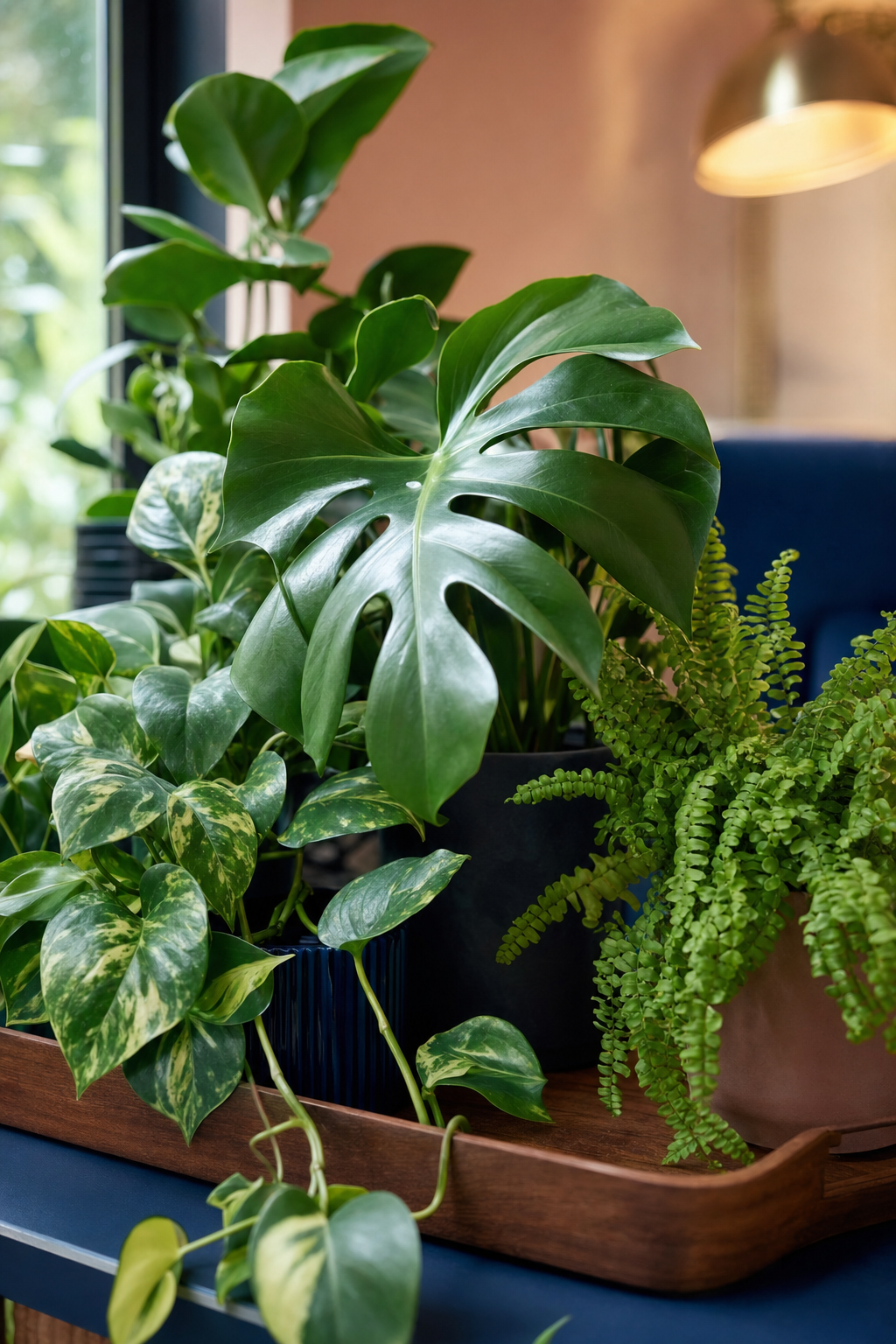
Effective plantscaping is built upon three non-negotiable pillars: visual composition, space definition, and operational strategy. When addressing how to display plants in an office, the focus must shift from individual specimens to professional zoning. This methodology treats vegetation as a structural element capable of modifying both the ergonomics and the utility of a workspace.
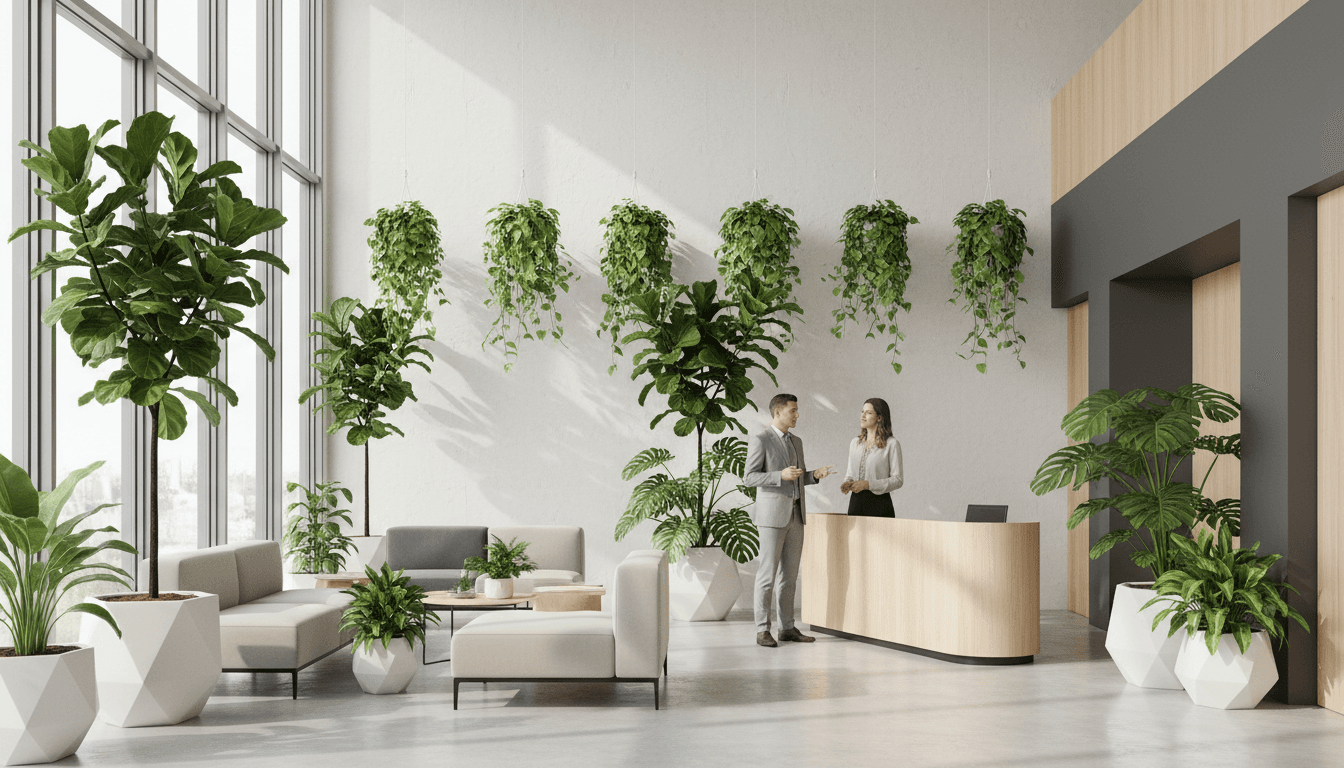
Visual composition relies heavily on layering to eliminate the isolated pot syndrome. By integrating large floor plants for vertical scale, mid-level desktop greenery for immediate visual engagement, and trailing species to soften hard architectural lines, we create a sense of depth and biological immersion. This multi-tiered approach ensures that greenery is visible from every sightline, whether an employee is seated at a workstation or walking through a corridor. The goal is to replicate the complexity of natural environments, which the human eye finds inherently more soothing than sterile, monochromatic surfaces.
Space definition utilizes plants as living infrastructure. In open-plan offices, tall, dense foliage can be deployed to provide acoustic dampening, absorbing the high-frequency chatter that often disrupts deep work. In lobbies and transition zones, linear troughs serve as organic wayfinding tools that direct foot traffic toward reception or elevator banks without the need for intrusive signage. These integrated plantscaping services are not merely decorative; they are functional interventions designed to solve spatial inefficiencies while maintaining an open, breathable floor plan.
Finally, operational strategy ensures these systems remain high-performing assets. We align plant placement with building microclimates, ensuring that species are positioned where light levels and airflow are optimal for their specific biology. This data-driven placement supports a botanical asset management subscription by reducing plant stress and minimizing the need for frequent replacements. By prioritizing the logistical requirements of the species alongside the aesthetic needs of the client, we ensure the installation remains a thriving, permanent fixture of the corporate environment.
Biophilic Design and Employee Wellness: The Science of Living Art
The transition from viewing plants as structural tools to seeing them as biological catalysts reveals the true value of plantscaping. This discipline leverages the human innate tendency to seek connections with nature, a concept known as biophilia. Beyond simple aesthetics, the integration of living systems produces measurable physiological outcomes. Scientific data confirms that strategically placed greenery can reduce indoor CO2 levels significantly, while simultaneously increasing relative humidity to the 40 to 60 percent range ideal for human respiratory health.
The psychological benefits are equally quantifiable. Human neural pathways are evolutionary tuned to process the fractal patterns found in plant life. These complex, repeating geometries allow the brain to enter a state of relaxed focus, reducing cortisol production and alleviating the mental fatigue common in high pressure environments. In the Ottawa tech sector in Kanata and the concentrated government landscape downtown, these bioactive environments serve as critical recruitment and retention tools. A workspace that actively promotes wellness through integrated plantscaping services demonstrates a sophisticated corporate culture that prioritizes the long term health of its human capital.
Plante Bureau distinguishes itself by selecting species based on bioactive potential rather than purely visual appeal. We evaluate plants based on their specific transpiration rates and leaf surface area to ensure maximum impact on indoor air quality. This rigorous selection, often validated through technical plant pathology diagnostics, ensures that every element of a botanical asset management subscription functions as a high performance wellness engine, providing a tangible return on investment for the modern commercial environment.
Technical Considerations for High Impact Living Systems
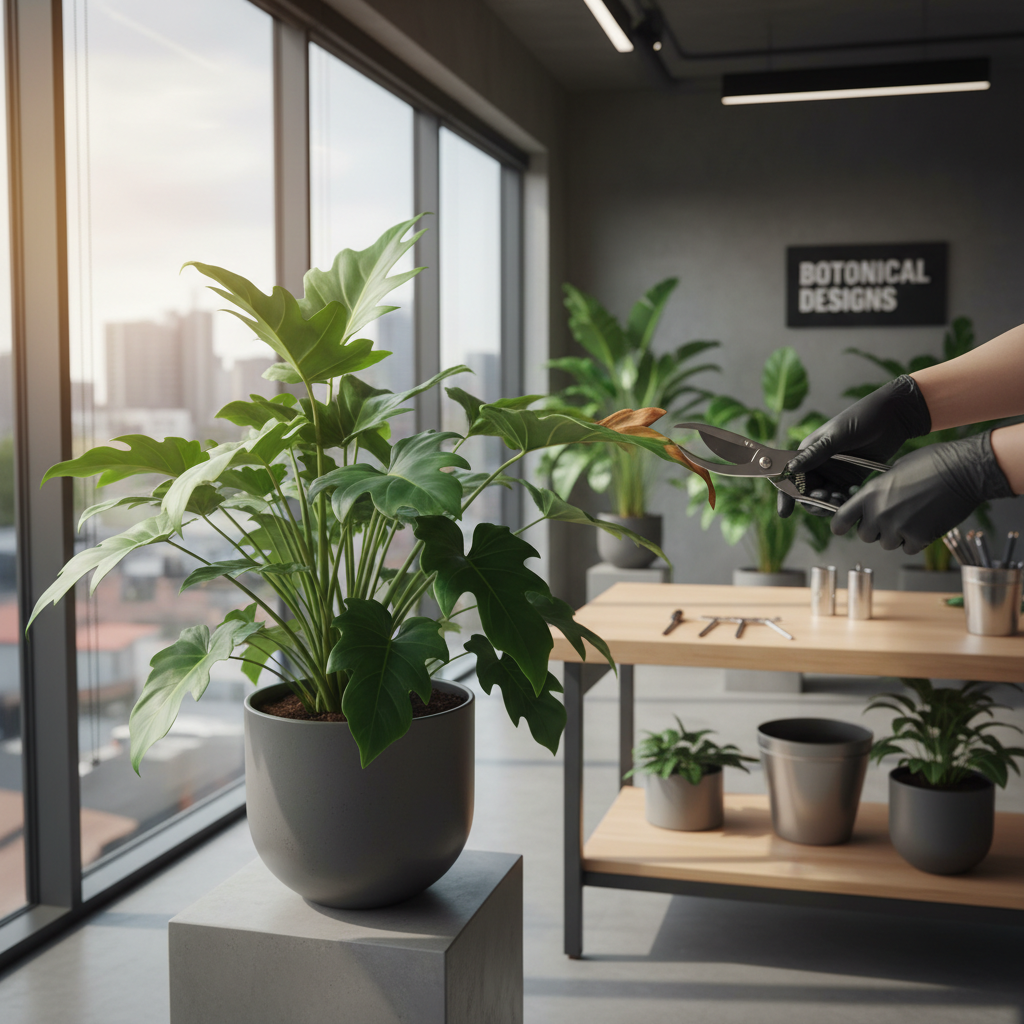
The transition from aesthetic biophilia to a sustainable living system requires a shift from anecdotal care to data-driven engineering. In a commercial environment, the margin for error is significantly narrower than in residential settings. Success depends on quantifying variables that are often invisible to the untrained eye, specifically regarding light quality, atmospheric movement, and substrate chemistry.
While many interior decorators rely on foot-candle measurements to assess light, this metric only quantifies light as perceived by the human eye. For high-performance integrated plantscaping services, we prioritize Photosynthetically Active Radiation (PAR). PAR measures the specific wavelengths within the 400 to 700 nanometer range that drive photosynthesis. A lobby may appear bright to a facility manager, yet remain a biological desert if the glazing on the windows filters out the specific spectral power distribution required for a plant to sustain its biomass. Without sufficient PAR, plants enter a state of metabolic decline, regardless of how much water or fertilizer is applied.
Building infrastructure also creates unique physiological stressors through HVAC integration. High-velocity airflow from ceiling diffusers significantly increases the rate of transpiration, the process by which moisture evaporates from leaf surfaces. If the rate of transpiration exceeds the root system's ability to uptake water, the plant will suffer from desiccated margins and cellular collapse. Conversely, static air zones can lead to stagnant moisture, creating a breeding ground for fungal pathogens. Our approach utilizes technical plant pathology diagnostics to identify these imbalances before they manifest as visible rot.
DIY office setups frequently fail because they overlook the chemistry of the root zone. In commercial planters, soil pH can drift rapidly due to the mineral content in municipal water or the breakdown of organic matter. When pH levels fall outside the optimal range, plants experience nutrient lockout, where they are unable to absorb essential elements despite their presence in the soil. By managing these technical parameters through a botanical asset management subscription, we ensure that the living art remains a thriving, long term investment rather than a depreciating decoration.
Selecting the Best Plants for Interior Office Environments
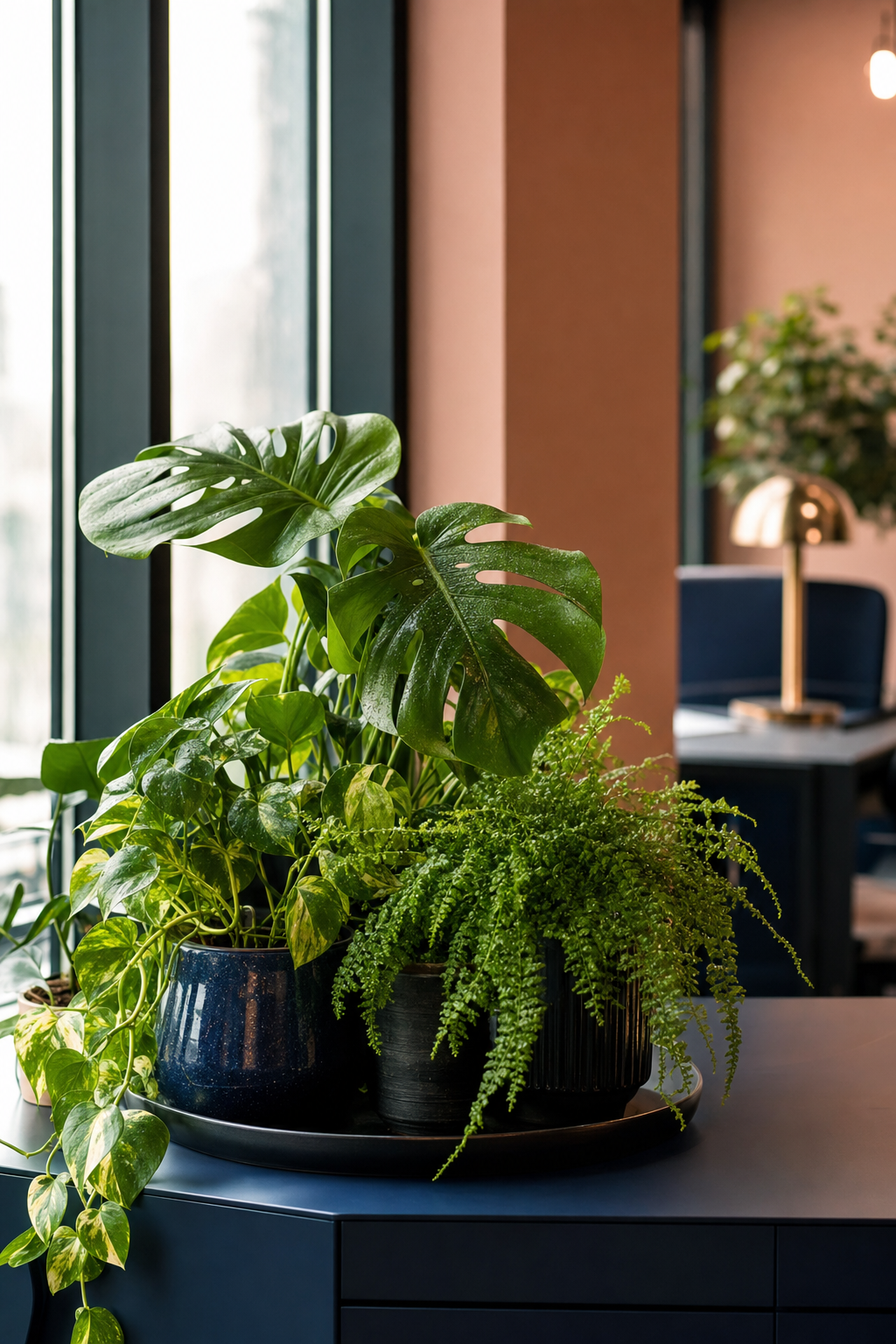
Selecting the ideal species for a commercial floor plan requires more than an aesthetic preference; it demands an alignment between a plant’s biological requirements and the building’s specific microclimate. Successful integrated plantscaping services categorize selections based on the available Photosynthetically Active Radiation (PAR) within specific zones of the office, ensuring long term survival rather than temporary decoration.
For deep interior cores or windowless conference rooms, we prioritize low light survivors. Sansevieria (Snake Plant) and Zamioculcas zamiifolia (ZZ Plant) are preferred for their ability to maintain structural integrity and metabolic function in environments with low light levels. These species possess thick, waxy cuticles that reduce moisture loss, making them resilient to the fluctuating humidity often found in high volume commercial HVAC systems.
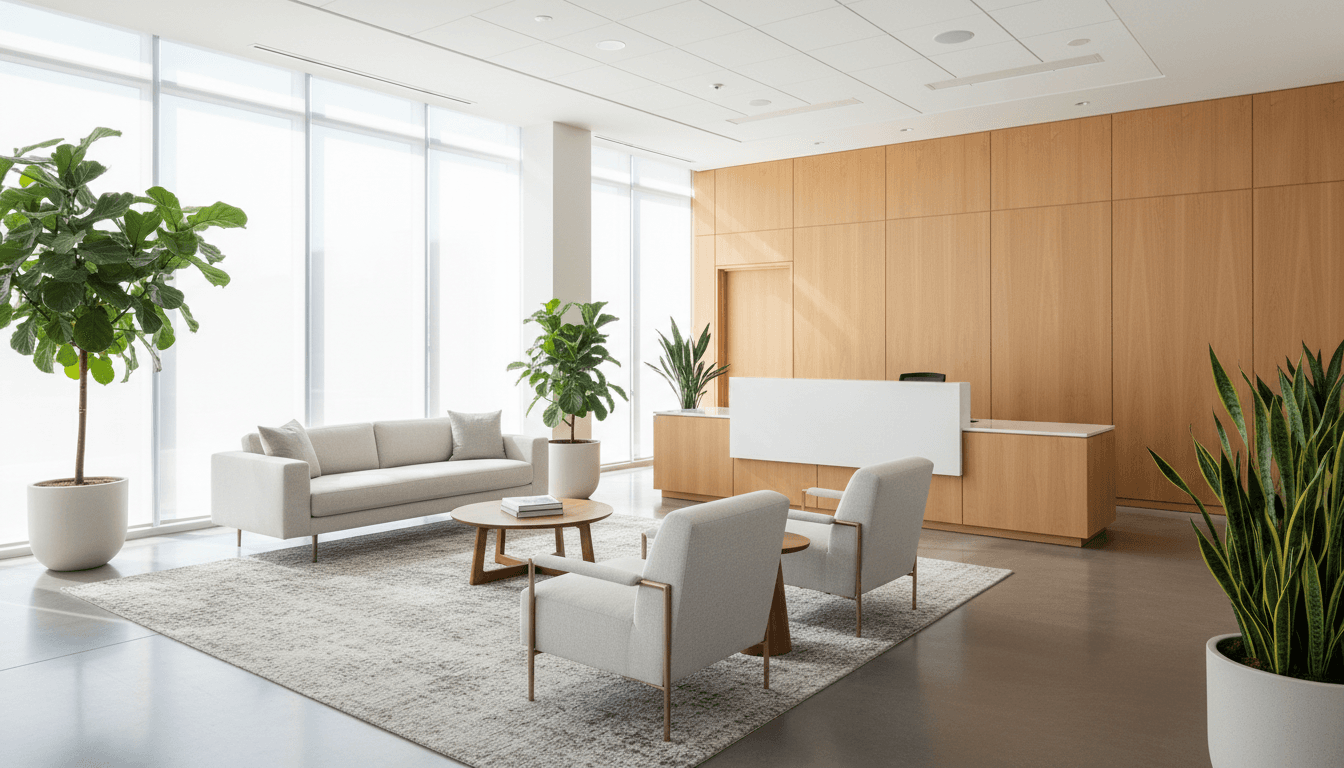
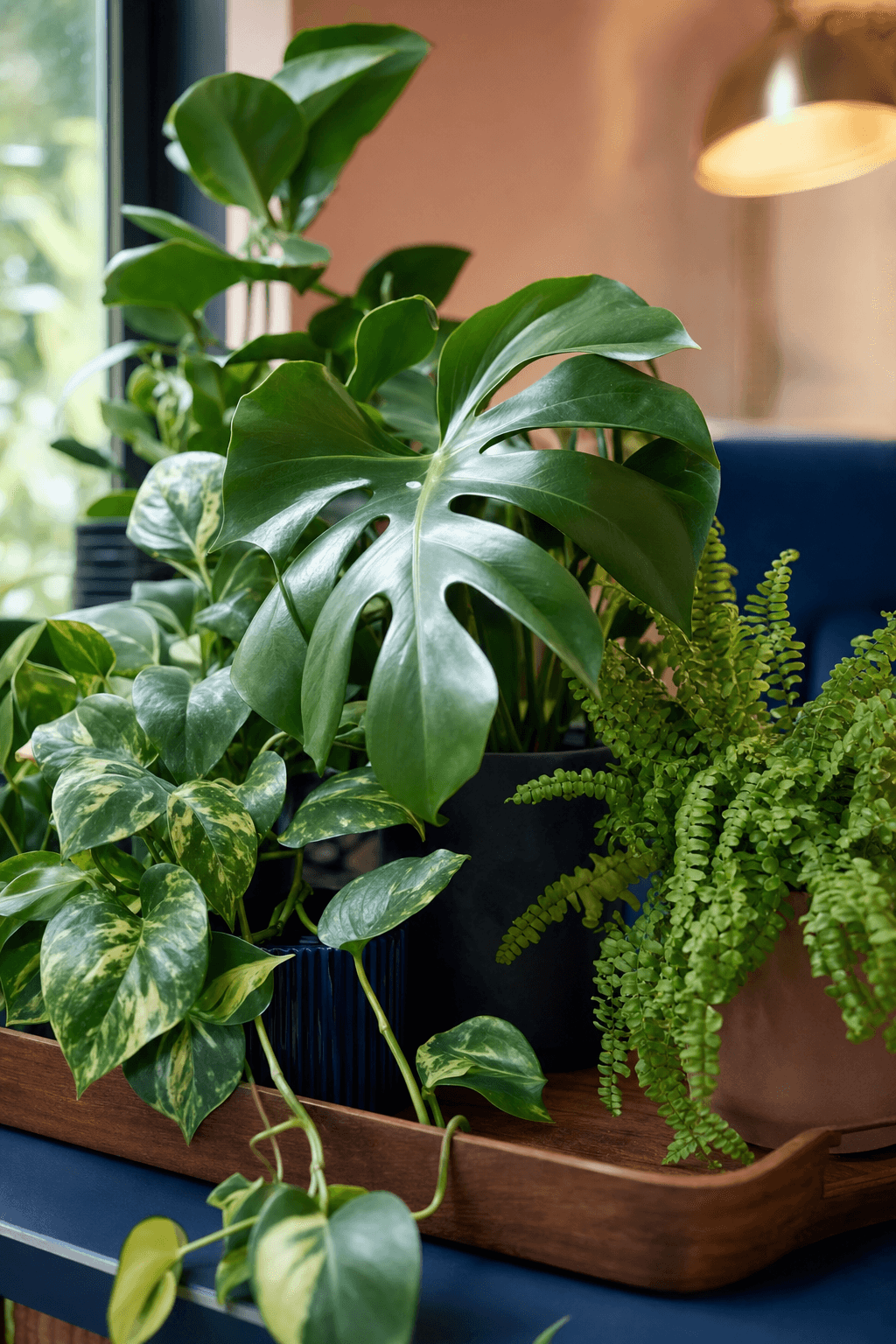
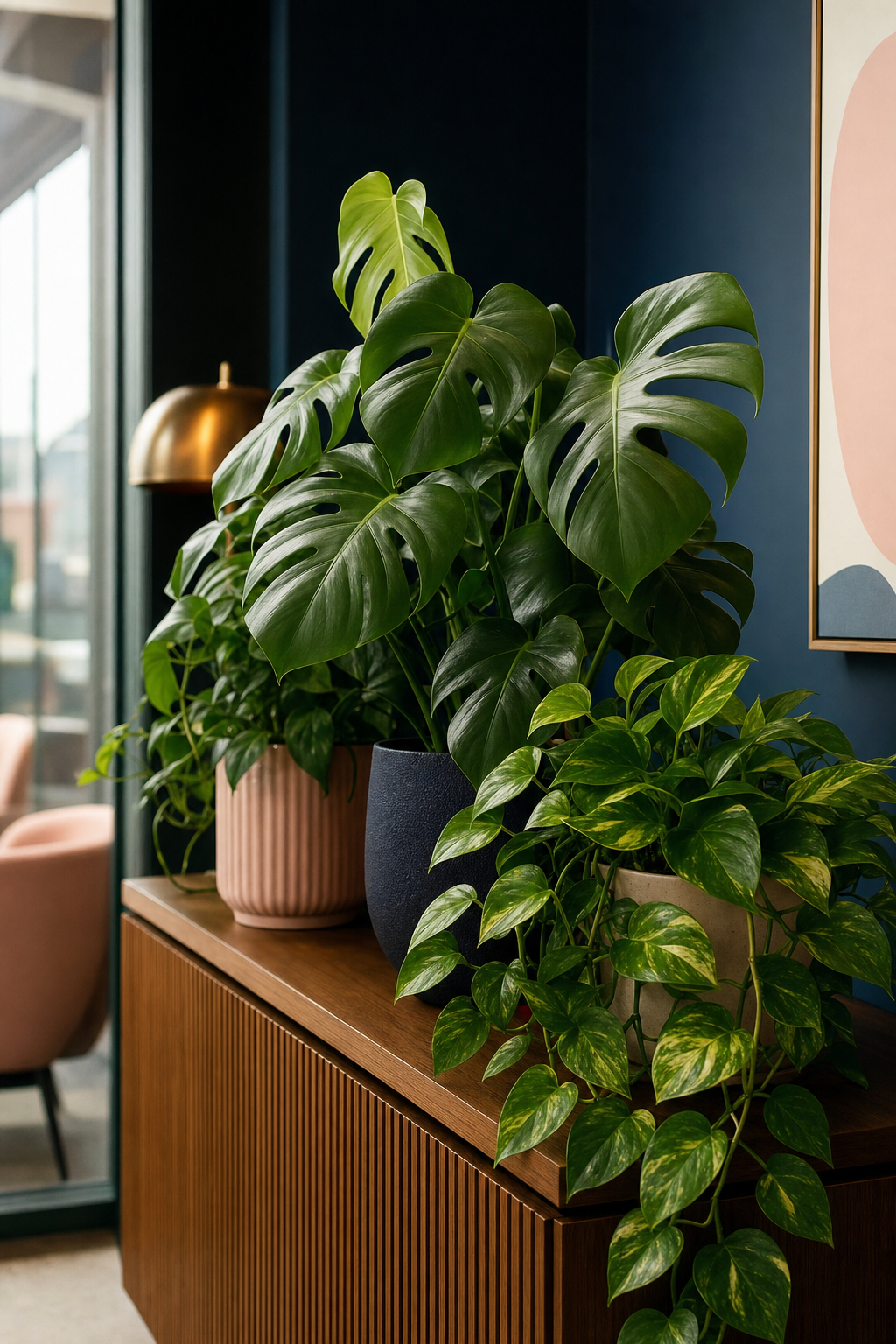
Medium light environments, such as open-plan desks located near secondary windows, benefit from Epipremnum aureum (Pothos) or heart-leaf Philodendron. These species are prized for their high transpiration rates and their ability to soften hard architectural lines through trailing growth. For high-impact architectural statements, large-scale specimens like Ficus lyrata or Strelitzia nicolai (Giant Bird of Paradise) are deployed in lobbies or glass-fronted perimeters. These species require significant light energy to sustain their large leaf surface area. Failure to match these high-light plants with appropriate PAR levels often leads to rapid leaf drop, which we mitigate through technical plant pathology diagnostics and a proactive botanical asset management subscription.
Sustainable Botanical Asset Management
Implementing sustainable plantscaping in the National Capital Region requires a specialized understanding of Ottawa’s distinct microclimates. The local environment presents a dual challenge for living systems: the extreme aridity of Canadian winters and the architectural disparity between historic and modern commercial districts. During the winter months, interior relative humidity in Ottawa office buildings often plummets to below 20 percent. Without professional intervention, this atmospheric dryness leads to rapid transpiration stress, cellular collapse, and increased susceptibility to pests like spider mites.
The structural landscape of the city further complicates biological stability. In downtown heritage buildings, thick masonry and limited glazing create deep shade zones where light levels fluctuate significantly between seasons. Conversely, the glass towers of Kanata North provide high PAR levels but subject foliage to intense solar heat gain and UV exposure. Standardized care routines fail in these environments. Plante Bureau utilizes technical plant pathology diagnostics to customize hydration and nutrient protocols that counteract these specific local environmental pressures.
Transitioning to a botanical asset management subscription is the most fiscally responsible approach for local enterprises. One-off plant purchases typically result in a cycle of metabolic decline and costly replacement, as retail-grade installations lack the resilience to survive an Ottawa winter. By incorporating integrated plantscaping services into the operational budget, property managers shift the risk of plant mortality to horticultural specialists. This model ensures that biological assets are not just surviving, but actively contributing to the building’s air quality and brand identity year round, regardless of the harsh external climate.
Successful interior plantscaping relies on balancing engineering precision with a passion for sustainable design. By focusing on these core fundamentals, any business can create a healthier and more inviting environment for employees and clients alike. If you want expert help navigating the complexities of indoor horticulture, we invite you to read more about our team and how we design living systems that last. We are dedicated to helping local brands grow through thoughtful, professional greenery.