Integrating biophilic design ESG WELL LEED certification Ottawa office plants provides a strategic roadmap for businesses to enhance employee health while meeting global sustainability standards. These natural elements function as performance infrastructure that lowers absenteeism and boosts talent retention through improved air quality and reduced stress. By investing in structural greenery, Ottawa firms can achieve measurable ESG goals and secure prestigious building certifications.
Modern Ottawa offices often treat greenery as a decorative afterthought, failing to realize that foliage is a high-performance asset. For facility managers and commercial developers, the challenge lies in translating aesthetic choices into measurable ESG outcomes and rigorous certification points. A few scattered pots will not satisfy the demands of WELL or LEED frameworks; however, a strategic biophilic installation acts as critical infrastructure for human health and building efficiency. This guide explores how to leverage technical plant pathology and living systems to secure tangible ROI through improved indoor environmental quality. You will learn to navigate the intersection of biophilic design and international standards, ensuring your Ottawa workplace earns its credentials while significantly reducing absenteeism and enhancing long-term property value.
From Aesthetic Amenity to Performance Infrastructure
Biophilic design in the modern corporate environment has transitioned from a subjective aesthetic choice to a critical piece of performance infrastructure. In Ottawa, property managers face unique pressures from federal mandates and corporate sustainability frameworks that require more than surface-level greenification. Plante Bureau treats interior greenery not as furniture, but as integrated bioactive systems that perform measurable work within a building.
This shift is particularly relevant as organizations seek biophilic design ESG WELL LEED certification Ottawa office plants to meet stringent environmental standards. When these systems are engineered correctly, they act as metabolic assets that regulate humidity, soften acoustic reverberation, and support indoor environmental quality. They are functional components of the built environment, similar to HVAC or lighting systems, designed to optimize occupant health and building efficiency.
Distinguishing true sustainable integration from greenwashing requires a shift toward botanical asset management and data-backed health monitoring. While decorative plant rental services focus on the visual, a strategic approach utilizes technical plant pathology diagnostics to ensure the long-term viability of the installation. By prioritizing the biological health of the system, firms can provide verifiable proof of performance, moving biophilia from a line item in the marketing budget to a core component of the building’s operational strategy.
How Biophilic Design Powers ESG Reporting in Commercial Real Estate
Integrating biophilic design into corporate operational strategy provides a clear pathway for meeting rigorous Environmental, Social, and Governance (ESG) criteria. In the Environmental ('E') sphere, living plants function as passive climate control systems rather than static decor. High-density botanical installations provide localized carbon sequestration and, perhaps more critically for the Ottawa climate, natural humidity regulation. By maintaining indoor relative humidity between the optimal 40 and 60 percent, these bioactive systems reduce the energy load on mechanical humidification equipment while mitigating respiratory discomfort for occupants during dry Ontario winters. Achieving these measurable environmental targets requires a commitment to botanical asset management, ensuring the living infrastructure remains metabolically active and efficient over its entire lifecycle.
Regarding the Social ('S') component, biophilia has become a cornerstone of talent acquisition and retention strategies within the Ottawa downtown core. As firms compete to draw employees back to physical offices, the quality of the indoor environment serves as a primary differentiator. Research indicates that exposure to nature reduces cortisol levels and activates the parasympathetic nervous system within minutes, a vital metric for social impact reporting. Furthermore, strategically placed greenery supports neuroinclusivity by providing sensory-rich but non-distracting environments that accommodate diverse cognitive needs.
ESG Component | Biophilic Contribution | Metric for Reporting |
|---|---|---|
Environmental | Humidity Regulation | Percentage of time within 40 to 60% RH |
Environmental | Carbon Sequestration | Annual biomass growth and CO2 absorption |
Social | Neuroinclusivity | Employee well-being and cognitive performance scores |
Social | Workplace Attraction | Retention rates and daily office utilization |
This approach transforms the workplace into a therapeutic space, providing a tangible return on social capital. Property managers can utilize these data points to validate their commitment to occupant health, moving beyond surface-level decoration toward a scientifically grounded strategy. To maintain the integrity of these social and environmental claims, Plante Bureau employs technical plant pathology diagnostics to monitor system health; this ensures that every leaf contributes to the building’s stated goals for biophilic design ESG WELL LEED certification Ottawa office plants.
Earning WELL Building Standard Credits with Living Systems
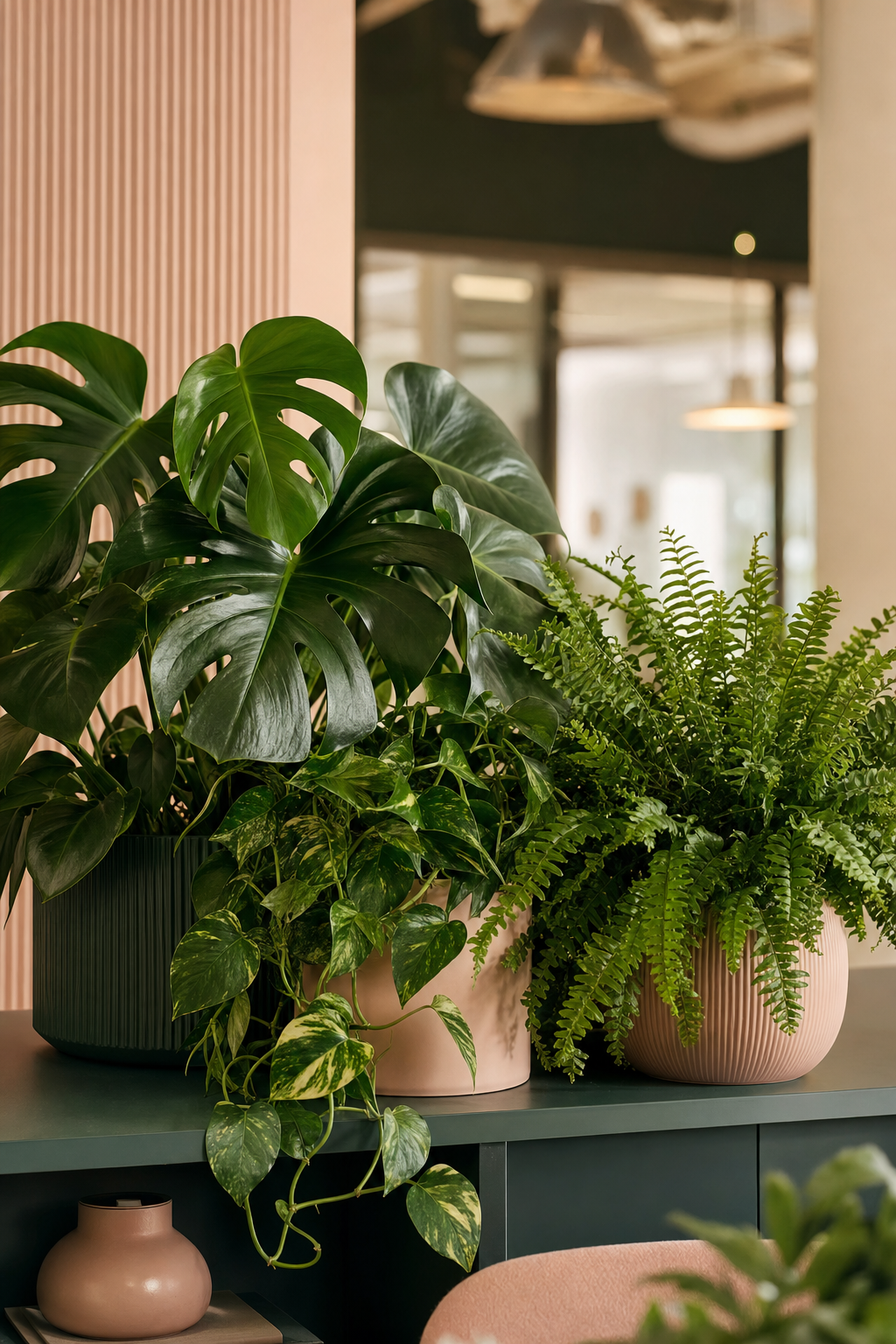
The transition from subjective design to performance-based standards is best exemplified by the WELL Building Standard v2, which prioritizes the health and well-being of building occupants through rigorous, evidence-based metrics. For Ottawa property managers, achieving WELL certification requires more than placing a few potted palms in a lobby; it demands a technical integration of living systems that satisfy specific concepts, primarily within the 'Mind' and 'Air' categories.
Feature M02 (Nature and Place) under the Mind concept is a primary target for firms leveraging biophilic design ESG WELL LEED certification Ottawa office plants. This feature requires the purposeful integration of natural patterns, lighting, and greenery into the workspace to support neurocognitive health. To meet the requirements of M02, plants must be integrated into the architecture in a way that provides consistent visual and multisensory connection to nature. This is where botanical asset management becomes vital. WELL does not just reward the installation of plants; it rewards the sustained presence of a healthy, bioactive environment. If a living wall suffers from chlorosis or pest infestation due to poor maintenance, the intended psychological benefit for the occupant is lost, and the certification's integrity is compromised.
WELL v2 Feature | Strategic Requirement | Plante Bureau Technical Application |
|---|---|---|
M02: Nature and Place | Integration of plants, water, or nature sounds. | Engineering high-density living walls with specific species diversity. |
A01: Air Quality | Maintaining low VOC levels and optimal humidity. | Using bioactive substrate systems to facilitate natural air filtration. |
M09: Enhanced Nature Access | Increased density of interior greenery. | Multi-tiered botanical installations across 25% of social spaces. |
Unlike generic plant rental services that rely on aesthetic replacement schedules, Plante Bureau utilizes technical plant pathology diagnostics to ensure each installation functions as a high-performance asset. We monitor nutrient uptake, light saturation levels, and substrate health to prevent the biological decline that often plagues commercial greenery. This data-backed approach provides property managers with the verifiable documentation needed for WELL performance verification, proving that the botanical systems are not merely decorative, but are actively contributing to the building’s metabolic health and occupant wellness.
LEED Certification and Indoor Environmental Quality Credits
While the WELL Building Standard focuses primarily on the biological occupant, the Leadership in Energy and Environmental Design (LEED) framework addresses the building as a holistic, high-performance system. Within the LEED v4.1 rating system, biophilia aligns most directly with the Indoor Environmental Quality (EQ) category. A common inquiry from property managers in the National Capital Region is: "Does biophilic design help LEED certification?" The answer is yes, provided the greenery is treated as documented infrastructure rather than a modular decoration.
High-impact installations, such as hydroponic living walls, contribute to the Thermal Comfort credit by facilitating natural transpiration. This process adds moisture to the air during Ottawa’s notoriously dry winters, helping maintain the specific humidity ranges required for LEED compliance without over-taxing mechanical humidification systems. Furthermore, biophilic elements are frequently used to satisfy the Quality Views credit by providing occupants with a direct line of sight to natural features, a requirement that is often difficult to meet in dense urban cores or windowless interior zones.
LEED EQ Credit Opportunity | Biophilic Mechanism | Documentation Requirement |
|---|---|---|
Thermal Comfort | Evapotranspirative cooling and humidity regulation. | Psychrometric data and species transpiration rates. |
Quality Views | Visual access to complex natural patterns and greenery. | Floor plans and sightline calculations for occupants. |
Innovation | Advanced biofiltration or pilot credits for biophilic design. | Comprehensive biophilic plan and maintenance strategy. |
For Ottawa firms pursuing biophilic design ESG WELL LEED certification Ottawa office plants, the success of a LEED submittal depends on verifiable performance. Plante Bureau supports these applications by providing technical data on species performance and botanical asset management protocols. By utilizing technical plant pathology diagnostics, we ensure that the systems remain healthy enough to fulfill the building’s environmental quality mandates, transforming plants from static objects into active LEED-eligible assets.
The ROI of Wellness: Measuring Productivity and Absenteeism in Ottawa
Quantifying the fiscal impact of biophilic design requires shifting the focus from square footage costs to human capital optimization. Because corporate expenditures on personnel typically outweigh energy and real estate costs by a factor of 100, even marginal improvements in employee performance yield significant bottom line results. Research from the Human Spaces Global Workplace report indicates that employees in offices incorporating natural elements report a 6 percent increase in productivity and a 15 percent spike in creativity compared to those in environments devoid of nature.
Data from Terrapin Bright Green further substantiates this ROI by detailing a 15 percent reduction in absenteeism. This shift translates to an average annual saving of $2,000 per employee through recovered lost time. For a typical 50-person Ottawa tech firm or a decentralized federal government department, these metrics represent a $100,000 annual reduction in absenteeism costs alone. When these savings are combined with a 6 percent productivity boost, the total value generated per year often exceeds the initial capital expenditure of the botanical installation.
Performance Metric | Biophilic Impact | Estimated Annual Value (Per 50 Employees) |
|---|---|---|
Absenteeism | 15% Reduction | $100,000 (Saved salary/overhead) |
Productivity | 6% Increase | $255,000+ (Based on $85k avg. salary) |
Well-being | 15% Increase | Qualitative retention & recruitment value |
Realizing these returns in the National Capital Region necessitates more than a static installation; it requires the sustained biological performance of the system. If the greenery enters a state of decline, the neurocognitive triggers responsible for these gains vanish. By utilizing botanical asset management and proactive technical plant pathology diagnostics, property managers ensure that their investment in biophilic design ESG WELL LEED certification Ottawa office plants continues to function as a high-yield metabolic asset rather than a depreciating aesthetic expense.
Avoiding Greenwashing through Technical Plant Pathology
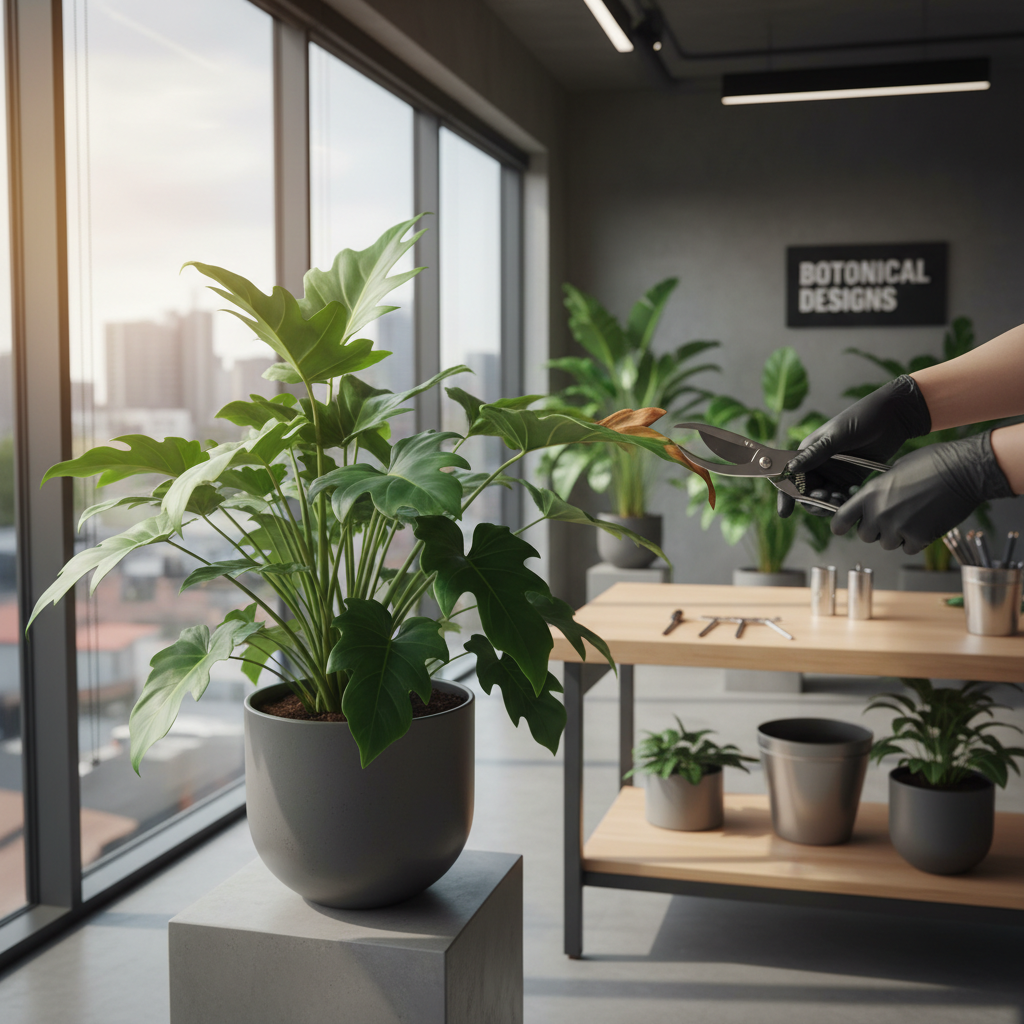
Is biophilic design greenwashing? This question frequently arises when interior greenery is treated as a disposable prop rather than a functional living system. In many commercial spaces, botanical installations become greenwashing the moment plants are poorly selected for the specific light cycles of an Ottawa floor plate or left to enter a state of biological decline. A wall of dying, chlorotic leaves provides zero metabolic benefit and actively undermines the credibility of an organization’s sustainability claims. True biophilic integration requires a shift from aesthetic placement toward rigorous horticultural science.
For an installation to validly support biophilic design ESG WELL LEED certification Ottawa office plants, it must maintain long-term bioactive performance. This is ensured through technical plant pathology diagnostics, which move beyond surface-level inspections to identify nutrient deficiencies, root zone pathogens, and microclimate stressors before they result in systemic failure. When plants are managed as performance infrastructure, they remain metabolically active, fulfilling the carbon sequestration and humidity regulation targets promised in ESG reports.
Plante Bureau functions as a technical partner, providing the specialized oversight necessary to move biophilia from a decorative line item to a verified building asset. By implementing data-driven botanical asset management, we guarantee that living systems remain functional for the duration of a lease. This scientific approach ensures that your investment delivers genuine, measurable results; effectively insulating your organization from the reputational risks of performative environmentalism.
Integrating biophilic design into your Ottawa workspace is more than an aesthetic choice; it is a strategic investment in employee health and corporate sustainability. By aligning your greenery with WELL and LEED standards, you create a measurable impact on your ESG performance. If you want expert help navigating these certifications while optimizing your indoor plant placement, our Botanical Consulting services provide the specialized guidance needed. We can help you transform your office into a high performing environment that supports both your people and your long term business goals.