Biophilic design return to office Ottawa initiatives encourage employees to return to the workplace by transforming traditional cubicles into restorative, nature-inspired environments that enhance well-being. These purposeful design choices can increase productivity by 6 percent and creativity by 15 percent; they offer a high-quality experience that home offices cannot replicate.
Ottawa professionals are facing a 2026 reality where the mandatory return to the office is no longer a suggestion. For many, the transition from a tailored home environment to a sterile, cubicle-heavy corporate district feels like a step backward. This disconnect creates a significant challenge for property managers and federal stakeholders who must prove that the commute is worth the effort. The solution lies in biophilic design; a strategic integration of natural elements that transcends simple office plants. In this article, we examine how bioactive environments increase productivity, solve the home office advantage, and provide a competitive edge within Ottawa's commercial districts. You will learn how to transform stagnant real estate into a destination that employees genuinely prefer.
The 2026 RTO Reality: Why Mandatory Attendance Needs a Design Revolution in Ottawa
The landscape of work in Ottawa is shifting toward a rigid physical presence. By January 2026, the Ontario government will require civil servants to be in the office five days a week, a move echoed by major Canadian financial institutions like RBC and BMO that have announced four to five day requirements. This transition is creating significant friction. Employees who have spent years optimizing their home environments for comfort and air quality are resisting a return to the sterile, legacy cubicle farms that define much of the downtown core and Kanata tech sector. The office must now provide a tangible value proposition that justifies the commute.
Meeting this challenge requires more than the fleeting appeal of ping-pong tables or beer taps. Modern professionals are seeking high-performing, purposeful environments that support cognitive function and well-being. This is where a strategic approach to biophilic design return to office Ottawa initiatives becomes essential. At Plante Bureau, we view greenification not as a decorative afterthought, but as vital building infrastructure. Through expert botanical consulting and precise engineering, we replace the gimmick culture with bioactive systems designed to improve indoor air quality and provide the restorative effects employees currently find in their own homes.
Transforming a commercial asset for the 2026 reality involves integrating living art and technical plant pathology to ensure these investments thrive within complex HVAC environments. Our biophilic design portfolio demonstrates how structured, nature-based interventions turn a standard floor plan into a destination. By focusing on bioactive elements rather than superficial decor, firms can solve the purposeful office problem, creating a space that does not just mandate attendance, but actively earns it.
The Science of Attraction: How Biophilic Design Increases Workplace Productivity and Creativity

The resistance to traditional office layouts is not merely a preference for leisure; it is a biological response to cognitive strain. When employees transition from a varied home environment to a sterile, high-density workspace, they often experience Directed Attention Fatigue. Biophilic design addresses this through the Restorative Effect, a phenomenon where exposure to natural stimuli allows the brain to shift from focused, taxing concentration to a state of effortless soft fascination. This mental reset is essential for maintaining high performance over an eight hour workday.
The empirical data supporting this transition is significant. According to the Human Spaces report, offices that integrate natural elements see a 6 percent increase in productivity and a 15 percent boost in creativity. This suggests that a bioactive workspace acts as a cognitive catalyst rather than just a backdrop for labor. Furthermore, research from the Harvard T.H. Chan School of Public Health demonstrates that natural indoor elements significantly reduce physiological stress indicators, such as heart rate and blood pressure, which are often elevated in rigid corporate settings.
For sectors where precision is paramount, such as Ottawa’s tech industry or the financial institutions in the downtown core, the impact on accuracy is even more striking. The Naava report indicates that workers make 43 percent fewer mistakes when performing stress-inducing cognitive tasks in environments featuring living green walls compared to those in rooms without vegetation. This metric moves the conversation beyond interior aesthetics and into the realm of operational efficiency.
By leveraging botanical consulting to engineer these environments, firms can actively mitigate the mental fatigue that leads to burnout and error. Integrating nature into the workplace infrastructure ensures that the office becomes a high-utility asset where employees are not just present, but are demonstrably more effective. This scientific foundation allows property managers to view greenification as a quantifiable tool for human capital optimization.
Beyond Aesthetics: Engineering Bioactive Environments for Ottawa's Corporate Real Estate
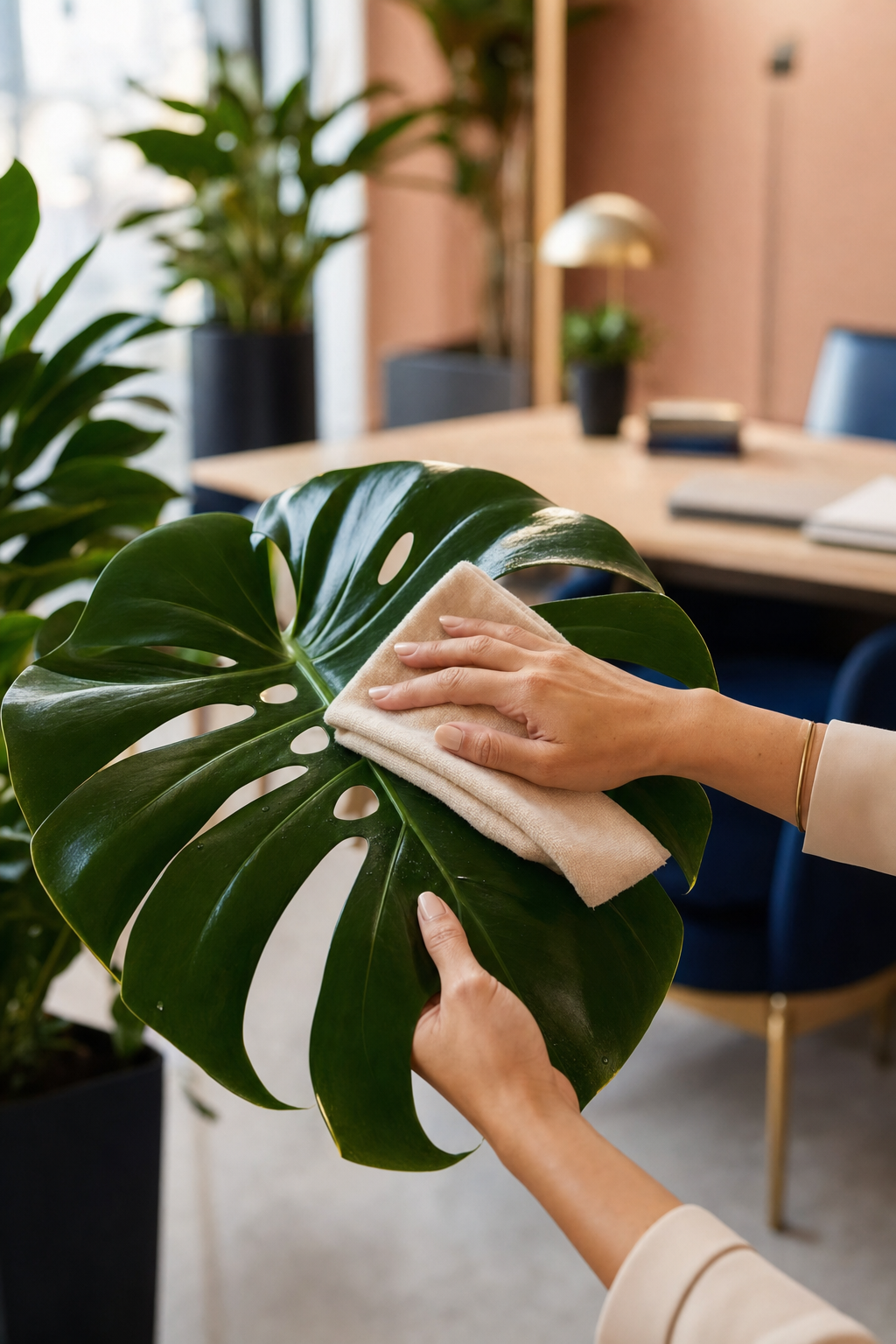
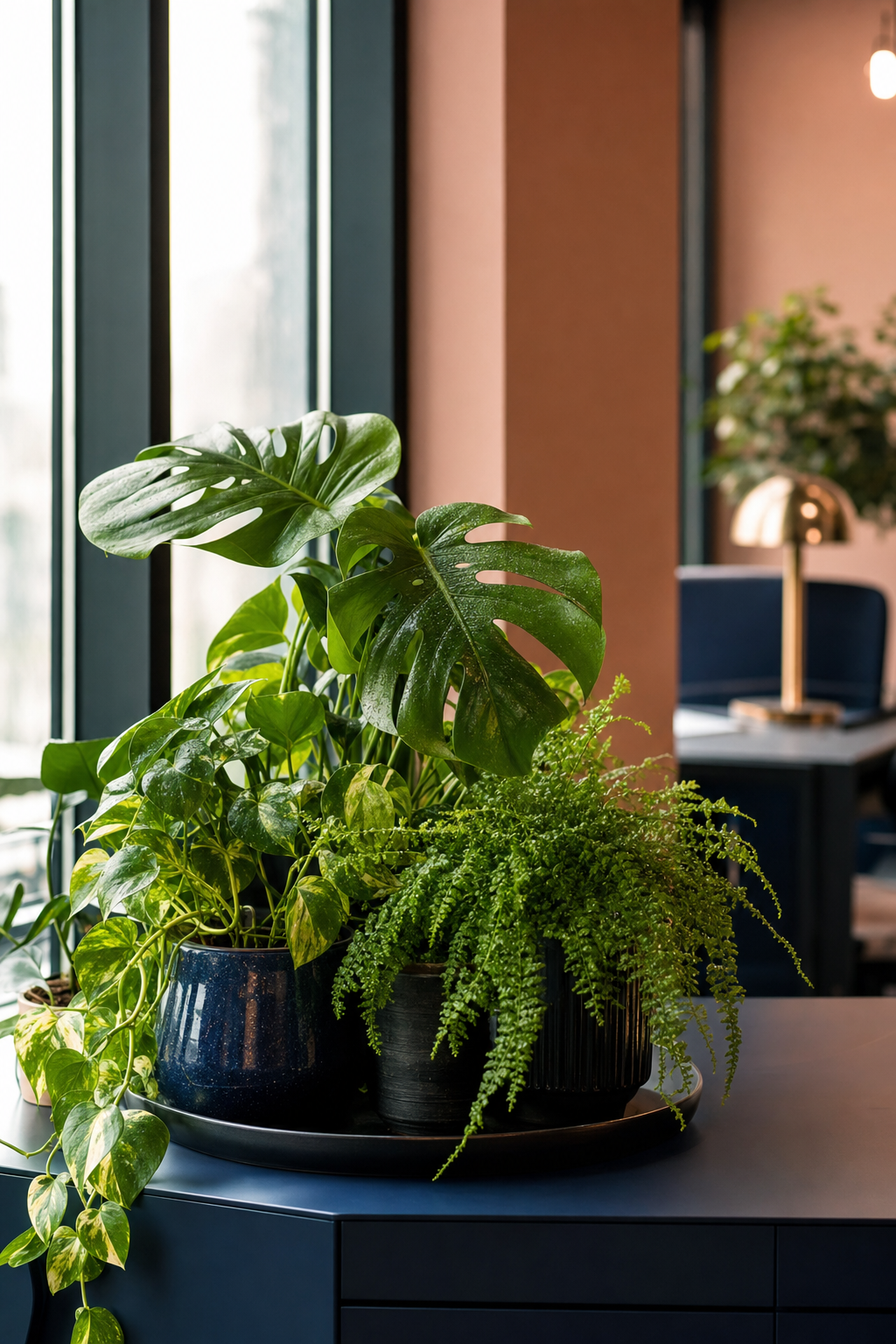
Effective biophilic design return to office Ottawa strategies move beyond the superficial placement of decorative greenery. While basic plants provide a visual break, true bioactive environments are engineered as integrated building infrastructure. At Plante Bureau, our methodology is rooted in technical plant pathology and precise botanical science. We treat vegetation as a living component of the building's envelope, capable of regulating ambient humidity and scrubbing particulate matter, provided the systems are architecturally integrated rather than merely staged.
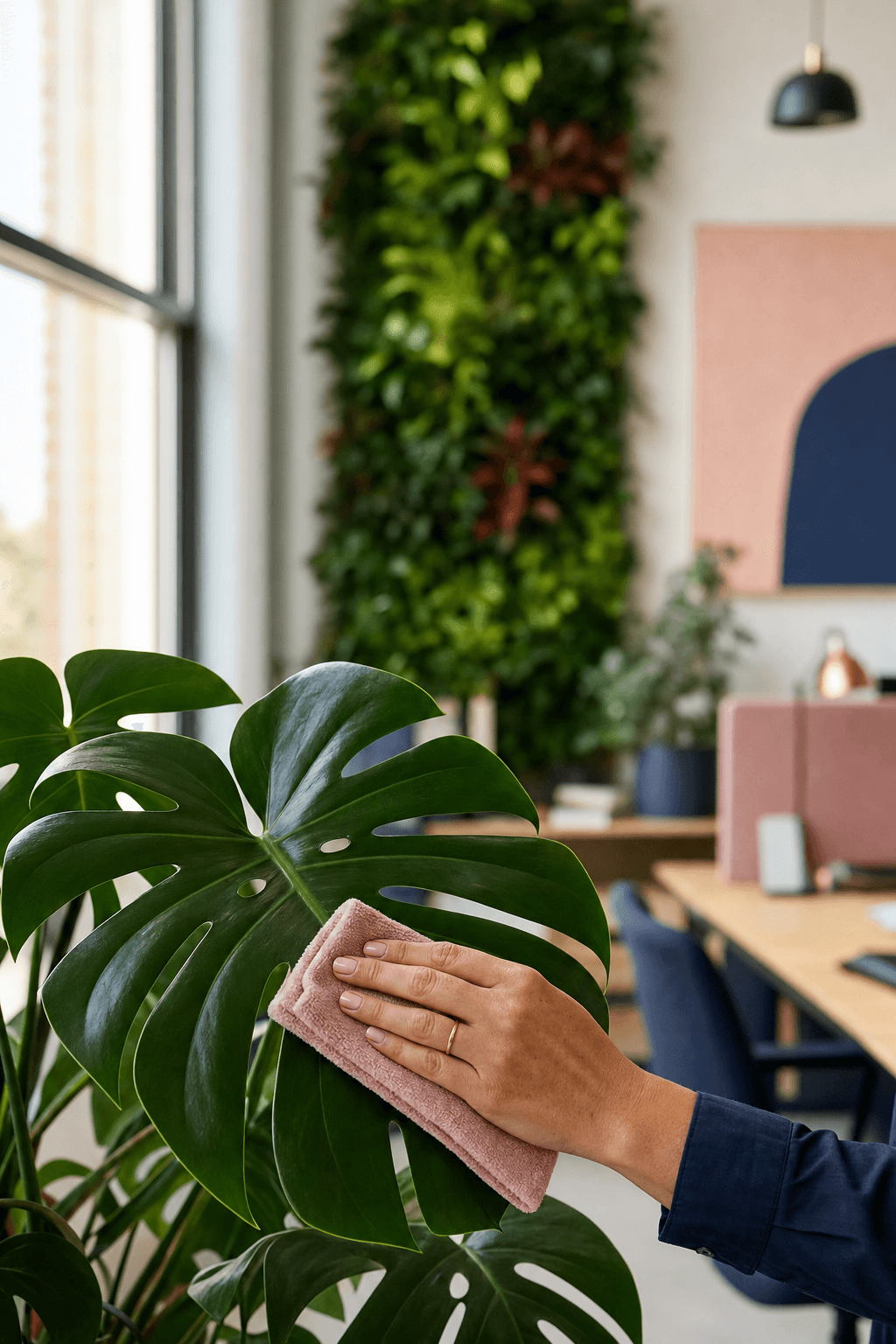
Designing for Ottawa’s corporate real estate presents specific technical challenges. During the protracted, dark winter months, indoor humidity levels in commercial towers often drop below 20 percent, stressing both biological systems and human respiratory health. We mitigate this through botanical consulting that selects specific species capable of thriving in the unique micro-climates of modern office floor plates. Our installations often utilize large scale indoor trees as architectural anchors to define circulation paths and provide a sense of permanence. These are frequently paired with living art systems that incorporate automated irrigation and specialized photosynthetic lighting to maintain physiological vigor when natural light is at its lowest.
Maintaining the performance of these installations requires rigorous botanical asset management. A struggling or neglected plant installation is a corporate liability that signals a lack of operational care. By monitoring nutrient cycles and light saturation levels specifically for the Ottawa climate, we ensure these investments remain high-functioning, bioactive assets. This technical rigor ensures that every project in our biophilic design portfolio delivers measurable improvements in indoor air quality and employee comfort throughout the entire calendar year.
Solving the 'Home Office' Advantage: Creating Spaces People Genuinely Prefer
The primary reason employees resist returning to the office is simple: the home office currently holds the sensory advantage. Remote work allowed professionals to curate environments with personalized lighting, superior ventilation, and immediate access to nature. In contrast, the typical Ottawa cubicle farm often offers a sensory-deprived experience defined by fluorescent overheads and recirculated, dry air. To overcome this home office advantage, commercial spaces must evolve from mere sites of labor into hospitality-inspired destinations that prioritize biological comfort.
Data from a Harvard Business Review survey of 1,600 workers clarifies these priorities. The study found that 58 percent of employees prioritize better air quality, while 30 percent specifically want a stronger connection to nature. This demand highlights a significant gap in current corporate infrastructure. A strategic biophilic design return to office Ottawa approach bridges this gap by integrating natural textures and bioactive systems that mimic the comfort of a residential or high-end hospitality setting. These elements act as the bridge between the professional sphere and the restorative qualities of the private home.
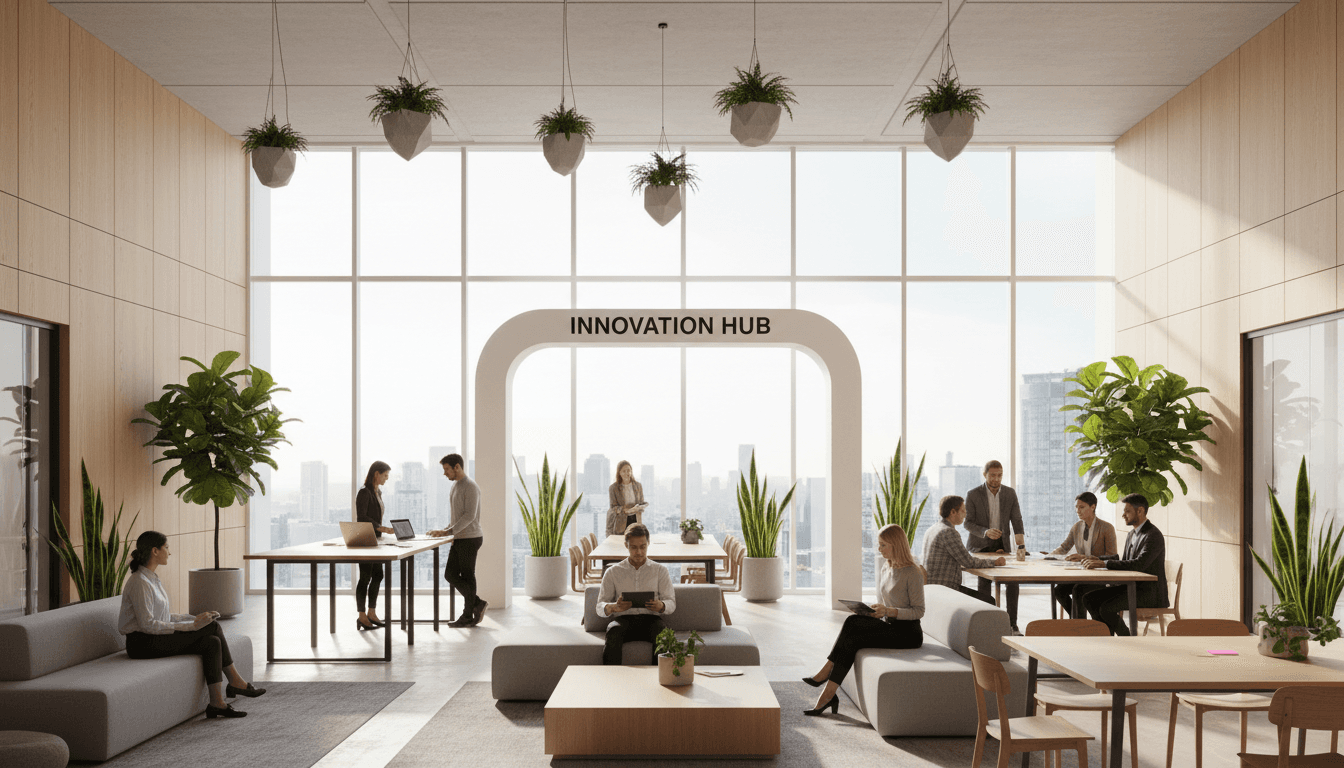
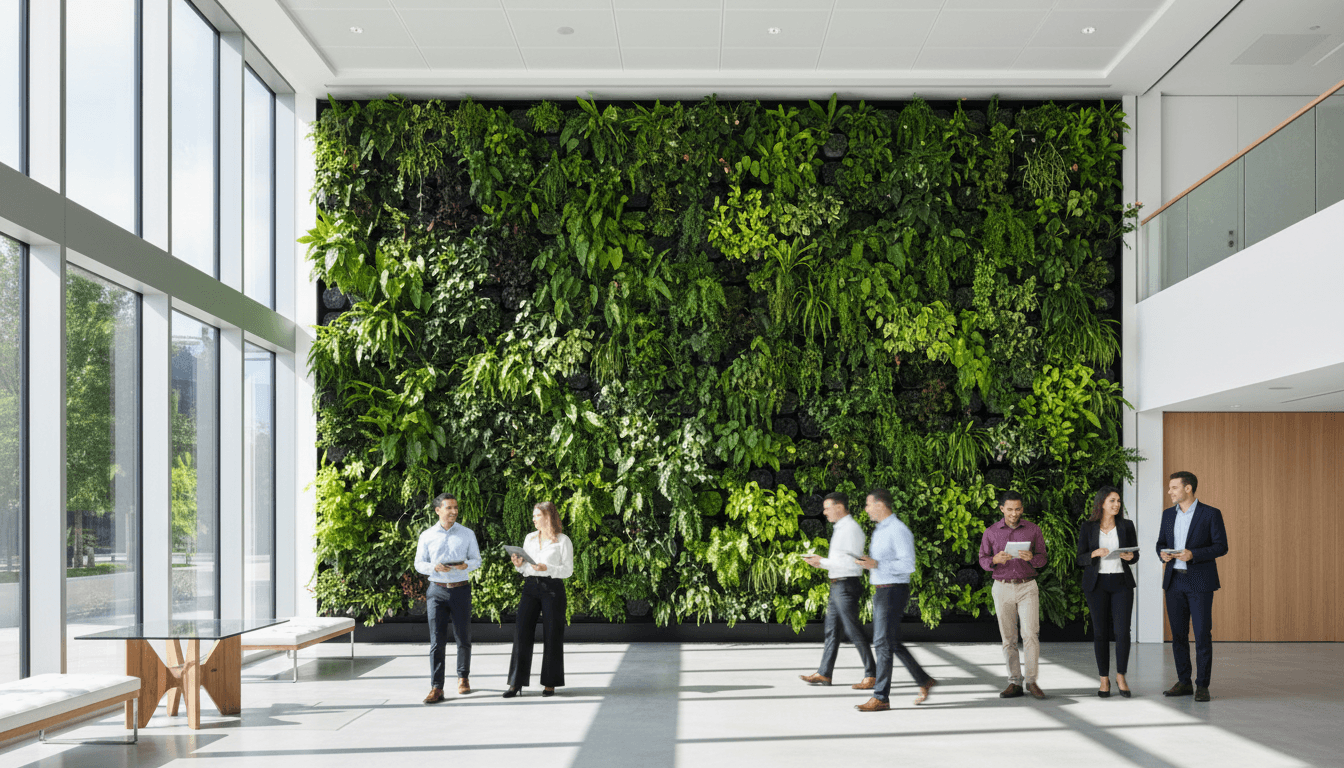
Beyond individual comfort, these installations serve as essential social anchors. When we utilize botanical consulting to design collaborative zones, we use nature to define spaces for community interaction. Living walls and interior groves create collision points where staff can gather naturally, fostering a sense of belonging that digital platforms cannot replicate. By transitioning from a sterile floor plan to a bioactive ecosystem, firms provide a destination that offers something more valuable than the convenience of working from home.
Strategic Greenification: A Competitive Edge for Ottawa Property Managers
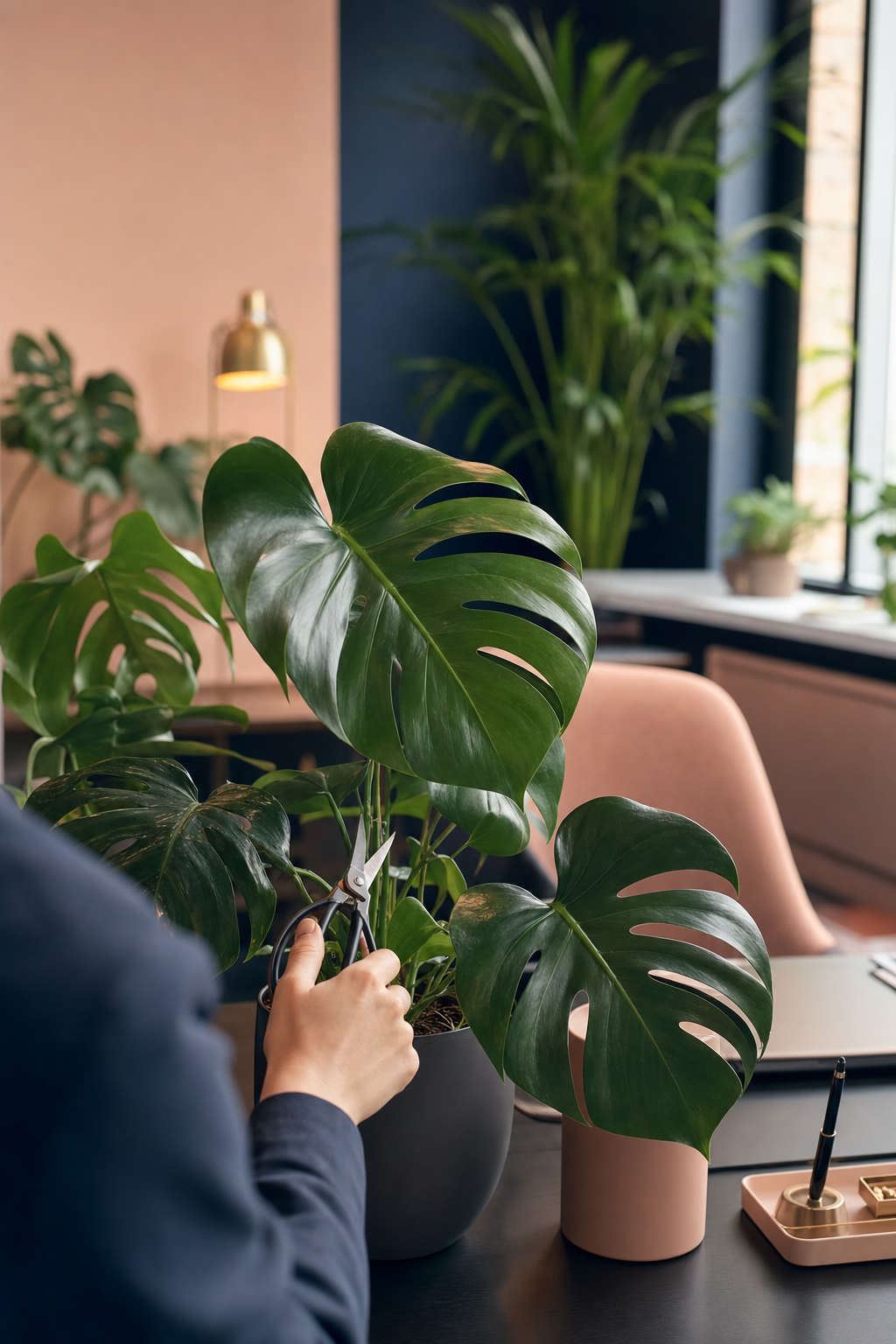
Ottawa’s commercial real estate market is entering a phase of significant recalibration as organizations reassess their footprints ahead of 2026. For property managers, high-impact plant installations are no longer mere amenities; they are essential tools for tenant retention and brand differentiation. A bioactive workspace serves as a visible commitment to Environmental, Social, and Governance (ESG) goals, which have transitioned from optional trends to baseline standards for institutional tenants.
The economic rationale for these investments is anchored in measurable performance. Data shows that employees in green offices experience a 15 percent rise in productivity compared to those in lean, sterile designs. For a property manager, providing a biophilic design return to office Ottawa solution is a strategic move to stabilize occupancy by helping tenants meet these performance metrics. When a space actively improves the output of its occupants, the asset becomes indispensable.
Achieving this level of impact requires more than simple procurement. It demands multi-tiered botanical asset management to prevent the corporate plant disasters that occur when vegetation is treated as furniture rather than a biological system. Dying or neglected plants signal a lack of operational oversight to returning staff, undermining the very wellness goals the design intended to support. Plante Bureau integrates botanical consulting with technical plant pathology to ensure that every installation in our biophilic design portfolio remains a high-performing asset. By engineering these systems into the building’s operational flow, we help property managers transform traditional offices into premium, bioactive environments that command long-term loyalty.
Implementing Biophilic Design in Ottawa's Federal and Commercial Districts
The successful rollout of biophilic design return to office Ottawa strategies requires a nuanced understanding of the city's varied architectural landscape. From the high density federal hubs in the downtown core to the sprawling campuses of Kanata’s tech sector, each district presents unique environmental constraints. Implementing bioactive systems within older federal assets, particularly those in areas like Tunney’s Pasture or the legacy blocks surrounding Sparks Street, often involves retrofitting spaces that were never designed for biological life. These buildings frequently suffer from limited structural floor loads and inadequate natural light penetration, requiring a sophisticated engineering approach rather than simple surface level decorating.
Professional botanical consulting is essential to navigate these structural limitations. In buildings with restrictive ceiling heights or poor orientation, we utilize vertical living art systems and specialized photosynthetic lighting to bypass light deficiency. By conducting a rigorous audit of the building’s lighting and HVAC capabilities, we apply technical plant pathology to select species that can withstand the specific micro-climates of Ottawa's legacy offices. In Kanata North, where floor plates are often larger and more open, we use indoor trees and dense botanical partitions to create specialized zones within the office, providing the acoustic privacy and visual variety that employees currently lack.
The 2026 mandate serves as a critical inflection point for Ottawa’s commercial real estate. Rather than viewing the return to the office as a return to 2019 standards, property managers can treat this period as a decade-defining opportunity to reconfigure assets. By examining our biophilic design portfolio, stakeholders can see how integrated nature transforms a sterile government or tech workspace into a bioactive environment. The goal is to build a resilient infrastructure that supports employee health and operational excellence well into the 2030s.
Creating a workspace that truly draws people back requires more than just desks and chairs. By focusing on biophilic principles, Ottawa businesses can build environments that foster health and focus. If you want expert help navigating these design choices, our Botanical Consulting can provide the tailored guidance you need. We can help you select species that thrive in your unique light conditions, ensuring your greenery remains lush and inviting for years to come. Let us help you make your office a destination worth the commute.