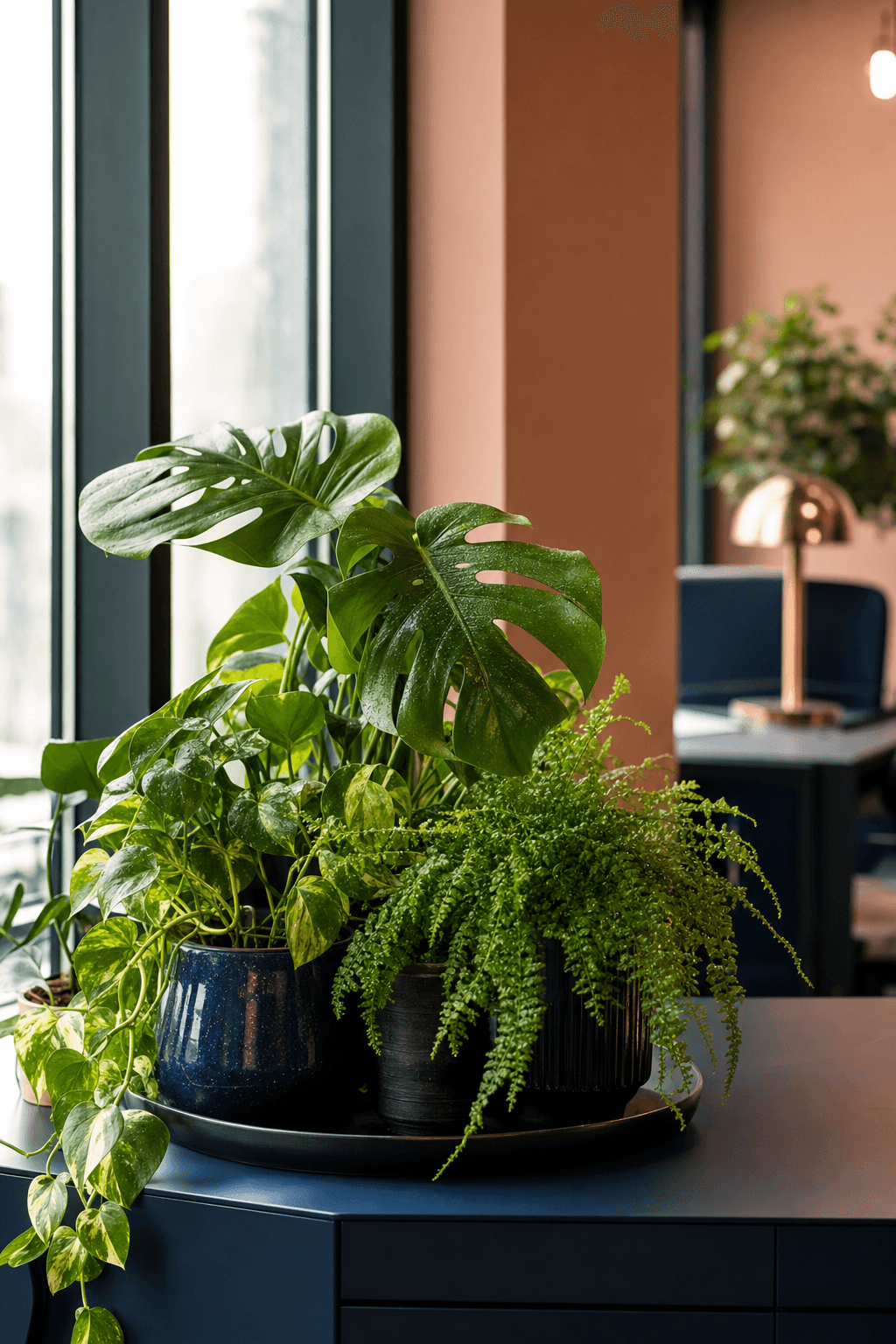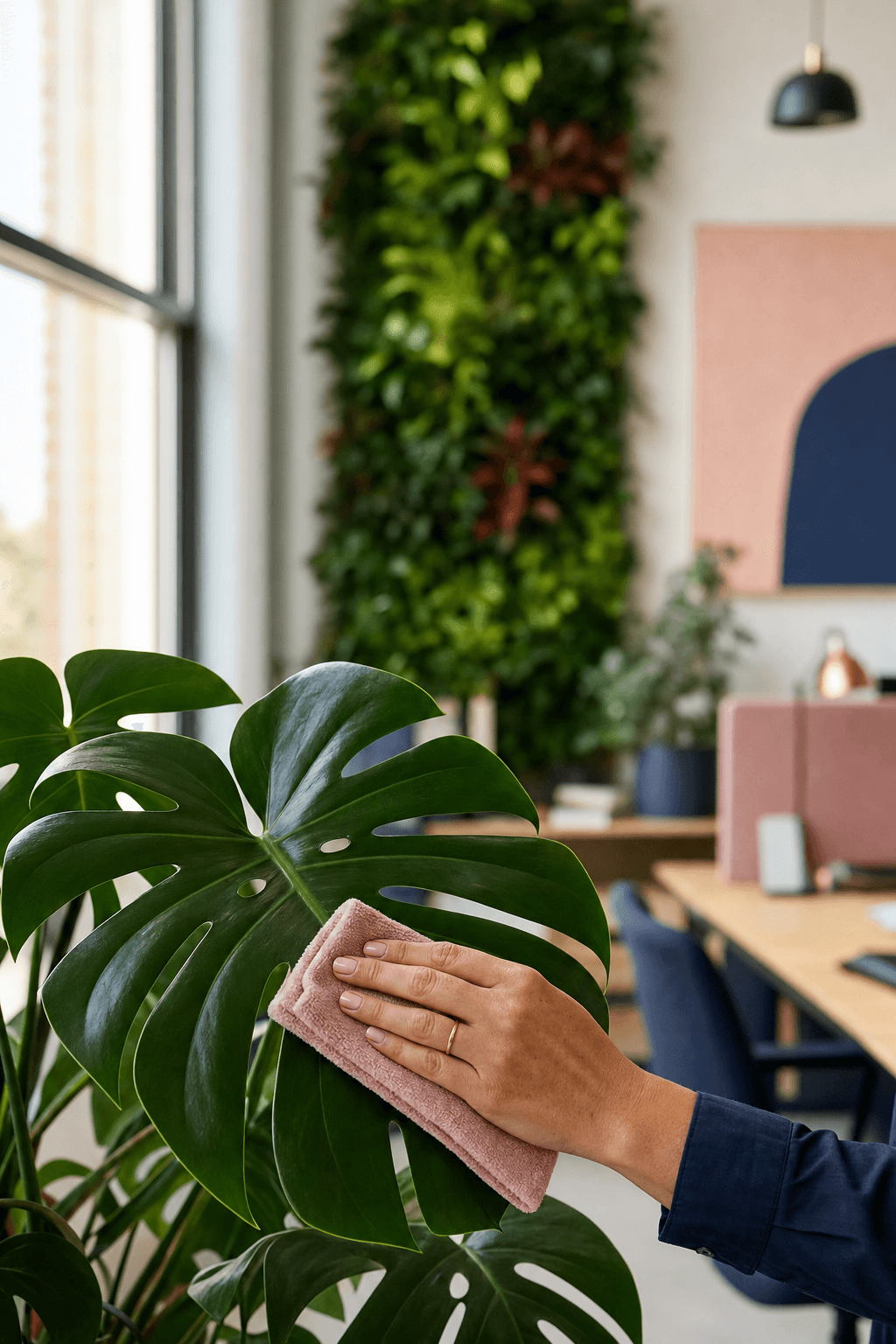
Spotting early signs of infestation involves inspecting foliage for sticky residue, stippled patterns, or fine webbing on the undersides of leaves. Consistent office plant pest early detection Ottawa requires facilities managers to monitor for curling leaves and slow moving insects before pests spread to nearby greenery. Checking for a sudden loss of plant vigor or unusual odors can also help identify problems before they require extensive treatment.
A single pest sighting in a professional lobby can quickly escalate from a minor nuisance into a costly crisis. For Ottawa facility managers, discovering sticky honeydew or fine webbing often comes too late. This guide walks you through how to spot the earliest warning signs of the four most common office plant pests, run a simple weekly inspection in under five minutes, and know when it is time to call in professional help.
The Business Case for Proactive Office Plant Health Monitoring
In modern commercial real estate, botanical installations are not just decor — they are part of your building infrastructure. When plant health is neglected, pest outbreaks become more than a horticultural headache: they risk the bioactive systems designed to improve indoor air quality and employee wellness. For firms in high-visibility districts like downtown Ottawa or Kanata North, a visible infestation of scale or spider mites in a front-facing lobby sends the wrong message to clients and stakeholders.
Implementing a protocol for office plant pest early detection Ottawa teams can rely on ensures that these living assets continue to function as intended. By utilizing technical plant pathology diagnostics to identify stressors before they manifest as systemic failures, facilities managers can avoid the high costs of total asset replacement and the disruption of emergency chemical treatments in a populated workspace. Maintaining a pristine interior landscape through professional botanical consulting is a strategic investment in brand equity and the long-term health of the physical office environment.
The Big Four: Identifying Common Office Plant Pests in Ottawa Workplaces
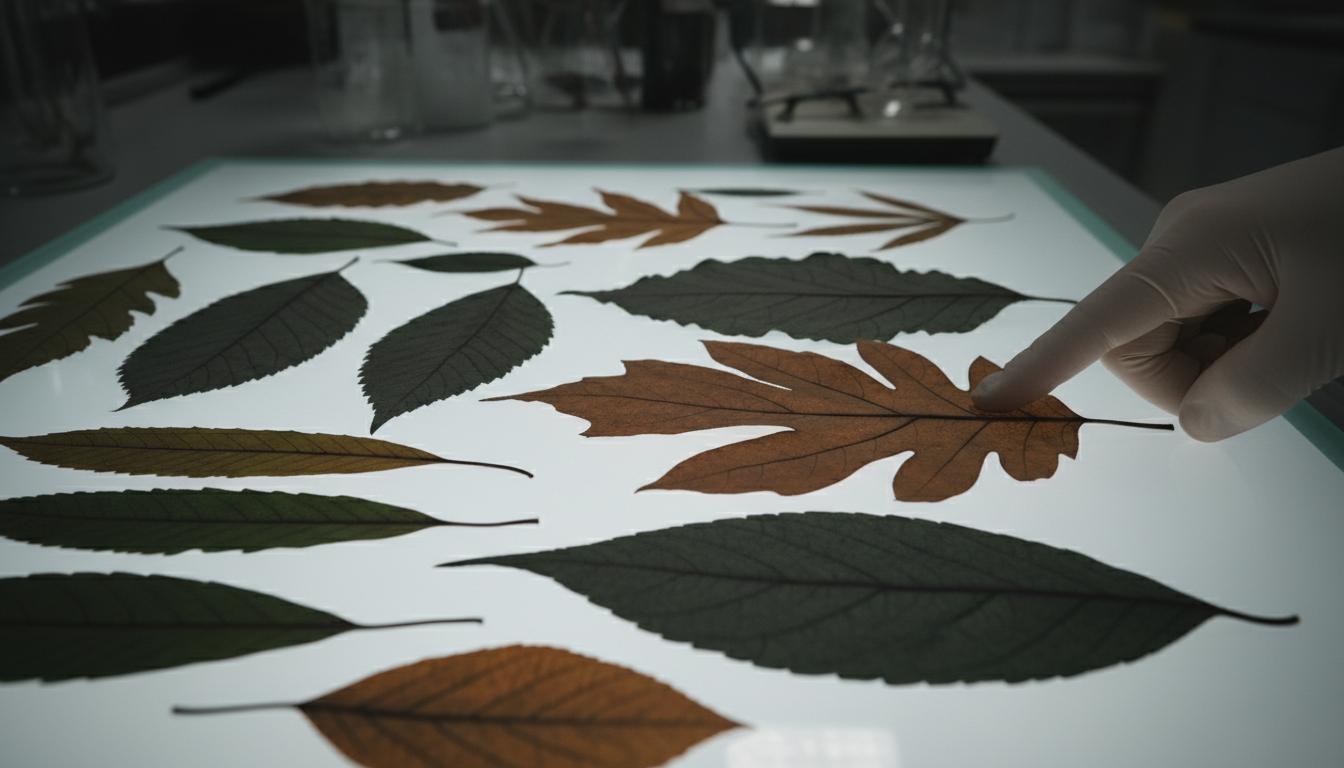
Because indoor environments lack the natural predators and seasonal resets found outdoors, these four pests can spread from a single sighting to a floor-wide infestation in weeks. Here is what to look for before the problem reaches that point.
1. Spider Mites
By the time fine webbing appears between leaves, the infestation is already advanced. The earliest sign is chlorotic stippling — tiny yellow or white dots on the leaf surface where mites have pierced individual cells. If the foliage looks dusty or has lost its vibrancy, flip a leaf over and inspect with a flashlight.
2. Scale Insects
Scale look like small, stationary brown bumps — easy to mistake for part of the stem. They cluster along leaf midribs and new growth. A tell-tale secondary sign: sticky, shiny honeydew residue on leaves, furniture, or flooring below the plant.
3. Mealybugs
Mealybugs hide white cottony fluff in leaf axils and the crevices of new growth. Because they tuck into these sheltered spots, they are easy to miss during a casual walk-through. Left unchecked, they migrate to the root systems of neighbouring plants.
4. Fungus Gnats
Adults are the small dark flies you see buzzing around monitors. Their presence points to overwatered soil — often caused by uneven HVAC airflow creating stagnant moisture pockets. Check the top two inches of substrate; if small flies emerge when disturbed, there is a breeding population in the soil.
The Five Minute Weekly Audit: A Facility Manager Checklist for Early Detection

A disciplined inspection routine is the most cost-effective method to protect a living investment from systemic failure. For facility managers operating in high-traffic commercial environments, office plant pest early detection Ottawa protocols depend on a standardized, weekly assessment that takes less than five minutes per zone. Consistency is vital because the closed, climate-controlled environments of modern office buildings allow pest lifecycles to accelerate without the natural check of seasonal dormancy.
To conduct an effective weekly audit, follow this technical protocol:
Use a High-Intensity Light Source: Utilize a smartphone flashlight or the camera’s 10x zoom feature to inspect the abaxial (underside) of the leaves. Over 90% of invasive species, particularly spider mites and thrips, congregate in these shadowed areas to avoid light and desiccation. Look for microscopic movement or debris that resembles fine dust.
Scan for Honeydew and Glossy Residue: Look for sticky, clear droplets on the foliage or the surfaces immediately surrounding the planter, including office furniture. This residue is a metabolic byproduct of sap-sucking insects like scale and mealybugs. If the tops of lower leaves feel tacky or appear unusually shiny, there is likely an active infestation higher up in the canopy.
Examine the Substrate Interface: Gently disturb the top inch of soil or mulch. If small, dark flies emerge or if there is a visible layer of white, fuzzy mold, the soil is likely retaining too much moisture. This indicates a high probability of fungus gnat larvae, which can compromise root health and indoor air quality.
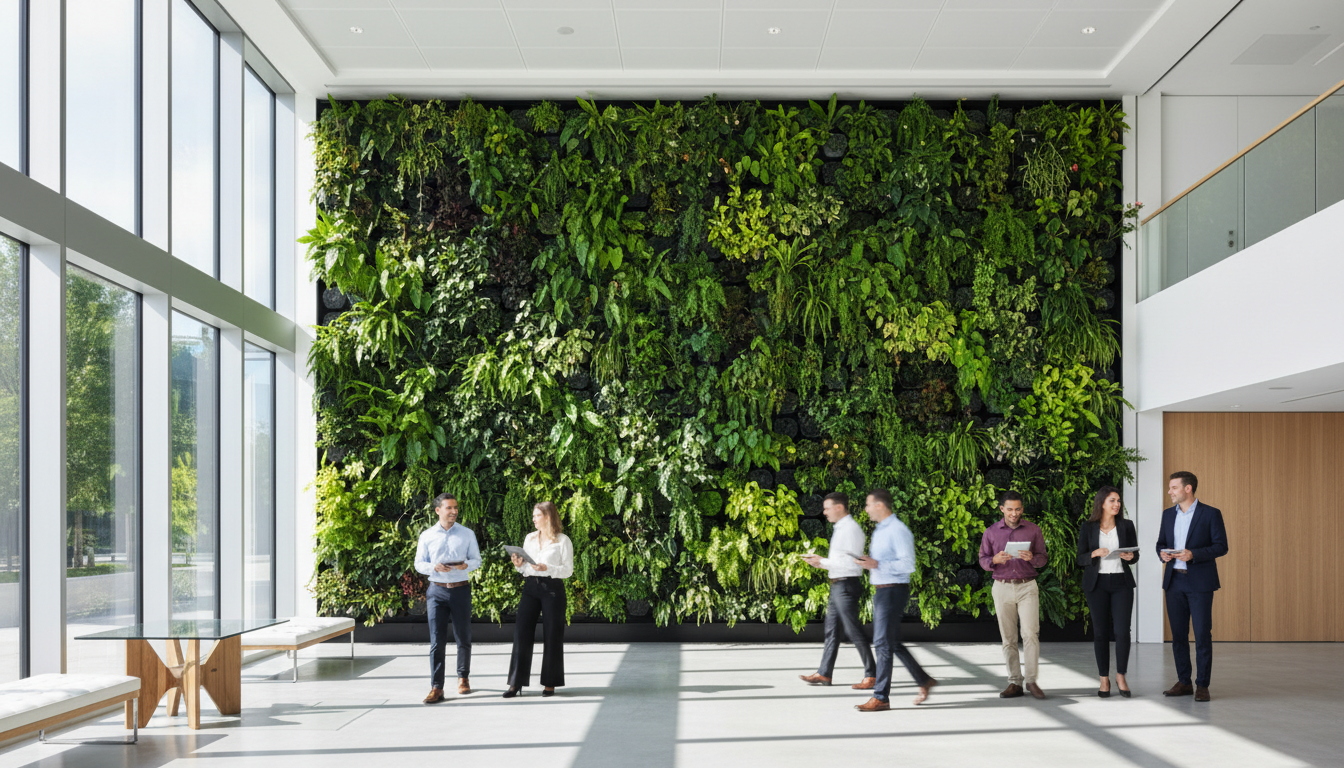
These audits are not merely about aesthetics; they represent a proactive form of professional botanical consulting implemented at the operational level. By identifying these indicators early, managers can request technical plant pathology diagnostics before pests migrate from a single workstation plant to integrated green walls or expensive atrium features. Early intervention prevents the hitchhiking effect, where pests travel via HVAC currents or staff movement across the open-plan office.
The Ottawa Climate Factor: Why Seasonal Shifts Trigger Pest Surges
Ottawa's extreme seasonal shifts dictate the rhythm of indoor pests. From November through March, forced-air heating drops indoor humidity below 20% — ideal conditions for spider mite surges. In humid summers, overwatered soil from reduced evaporation can trigger fungus gnat blooms. Glass-heavy buildings add another variable: south-facing windows create localized hot spots where pests like thrips and scale thrive year-round.
Building architecture matters too. In glass-heavy corridors, south-facing windows create localized hot spots where pests like thrips and scale thrive year-round regardless of the outside temperature.
Facility managers should adjust inspection frequencies during these transitional windows. Moving to a bi-weekly intensified audit during the autumn heat-on period and the spring humidity shift allows for early intervention. If persistent issues arise during these shifts, engaging in technical plant pathology diagnostics can identify if climate-driven stress is inviting secondary pathogens. Incorporating professional botanical consulting ensures that HVAC-adjacent assets are specified with species resilient to these specific localized thermal stresses.
Quarantine Protocols: Preventing Cross-Contamination in High-Density Offices
Containing a localized outbreak requires immediate operational intervention to stop the spread through high-density floor plans. When the first signs of activity are identified, the most effective strategy for how to control pests in office settings is the Island Method. This protocol requires moving the affected botanical asset to a secondary location at least six feet away from all other vegetation. This physical gap acts as a biological firebreak; many common pests, such as spider mites and mealybugs, have limited mobility over non-botanical surfaces and cannot easily bridge this distance to find a new host.
Contamination often occurs via human or equipment vectors rather than pest flight. Maintenance carts, cleaning supplies, and even employee clothing can act as transport for hitchhiking pests. In an open-concept office, a staff member brushing against an infested plant in one cubicle can inadvertently deposit larvae or eggs onto foliage several floors away. To mitigate this risk, facilities teams should designate specific tools for isolated plants and enforce hand-washing protocols after handling suspected assets.
Every new installation or replacement plant must undergo a mandatory 14 day quarantine before being integrated into the general office population. This two week window allows for latent eggs to hatch and sub-clinical symptoms to manifest under the scrutiny of professional botanical consulting. Only after passing a final inspection, often involving technical plant pathology diagnostics for high-value specimens, should the asset be cleared for permanent placement. This rigorous intake process is a cornerstone of office plant pest early detection Ottawa firms use to maintain pristine bioactive environments.
Beyond DIY: When to Call for Technical Plant Pathology Diagnostics

Relying on off-the-shelf insecticidal soaps or retail-grade oils is often insufficient and potentially disruptive in a corporate environment. These products frequently carry pungent odours or chemical VOCs that conflict with indoor air quality standards and may trigger sensitivities in shared workspaces. Furthermore, amateur applications typically target only the visible lifecycle stages of a pest, leaving eggs or larvae protected within the substrate or leaf axils to fuel a secondary outbreak. Effective office plant pest early detection Ottawa strategies must transition to Integrated Pest Management (IPM) when basic containment protocols are exhausted.
IPM utilizes biological controls and targeted, low-impact interventions specifically engineered for occupied buildings. For complex systems like integrated living walls or high-value atrium trees, the margin for error is negligible. A misdiagnosis at this scale can result in rapid, systemic failure and significant capital loss. Utilizing technical plant pathology diagnostics ensures that the underlying cause, whether entomological or fungal, is identified with laboratory precision. When facilities managers encounter persistent symptoms across a floor plate, professional botanical consulting provides the scientific oversight required to stabilize the environment and protect the long-term ROI of the firm’s green infrastructure.
Maintaining a healthy office landscape in Ottawa starts with regular observation and early intervention. Identifying small issues before they escalate ensures your workspace remains a lush, welcoming environment for both employees and clients. If you feel uncertain about a specific symptom or simply want expert help to manage your facility's greenery, you might find our Plant Doctor service beneficial. We can provide the specialized guidance needed to address infestations quickly, keeping your professional environment thriving and worry-free.