In the discipline of modern spatial design, a profound realization is taking root: the layout of indoor greenery should do more than complement architectural lines. When designed with biological precision, a plant installation can actively influence human physiology. By understanding how plants interact with light, airflow, and each other, Plante Bureau creates parasympathetic ecosystems—indoor environments meticulously structured to lower cortisol, reduce ambient stress, and trigger the human nervous system’s natural relaxation response.
Achieving this state of restorative balance requires moving past basic aesthetics. It demands an understanding of microclimates, spatial mechanics, and structural harmony.
The Canopy Layering Strategy: Light Optimization
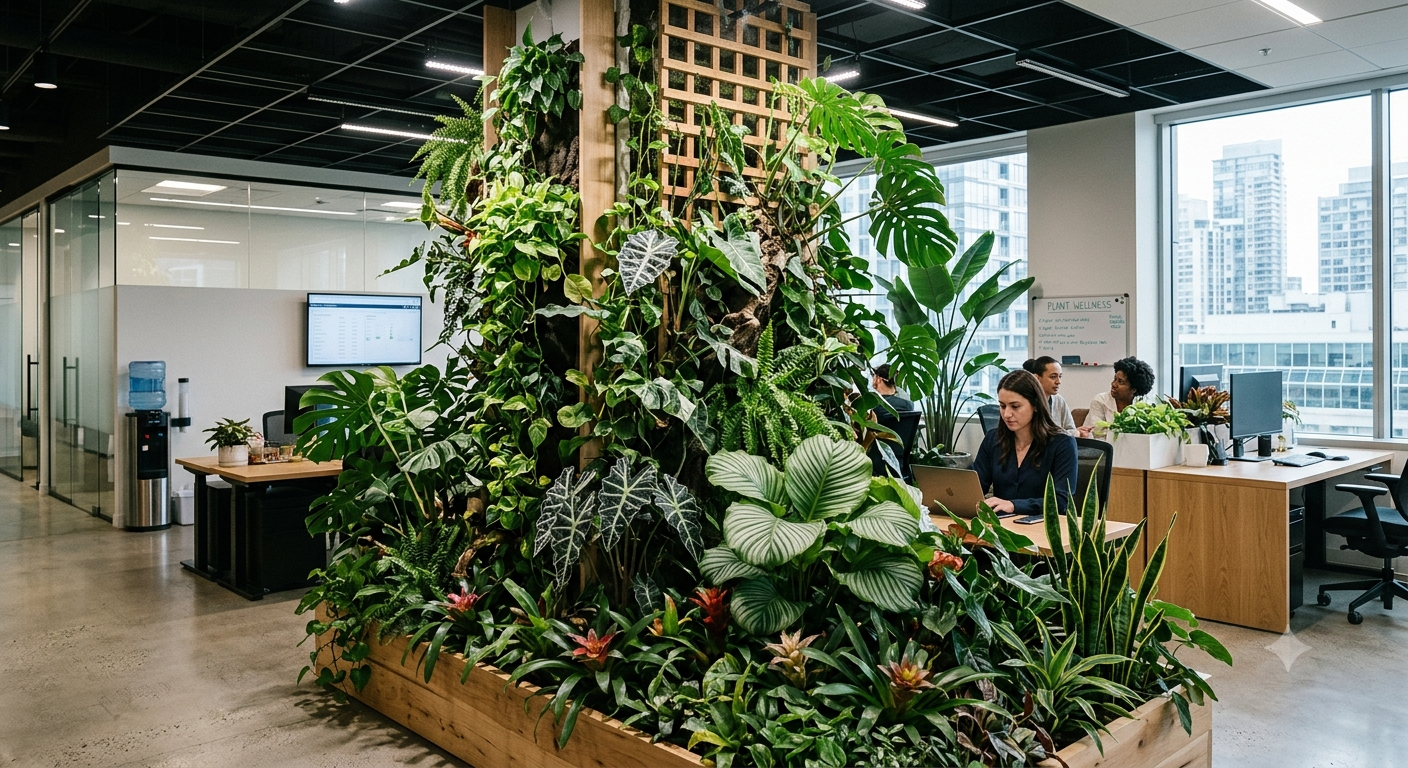
In a natural rainforest, plants do not compete for resources in isolation; they exist in highly cooperative, tiered microclimates. Bringing this concept indoors is the key to a thriving, low-stress ecosystem.
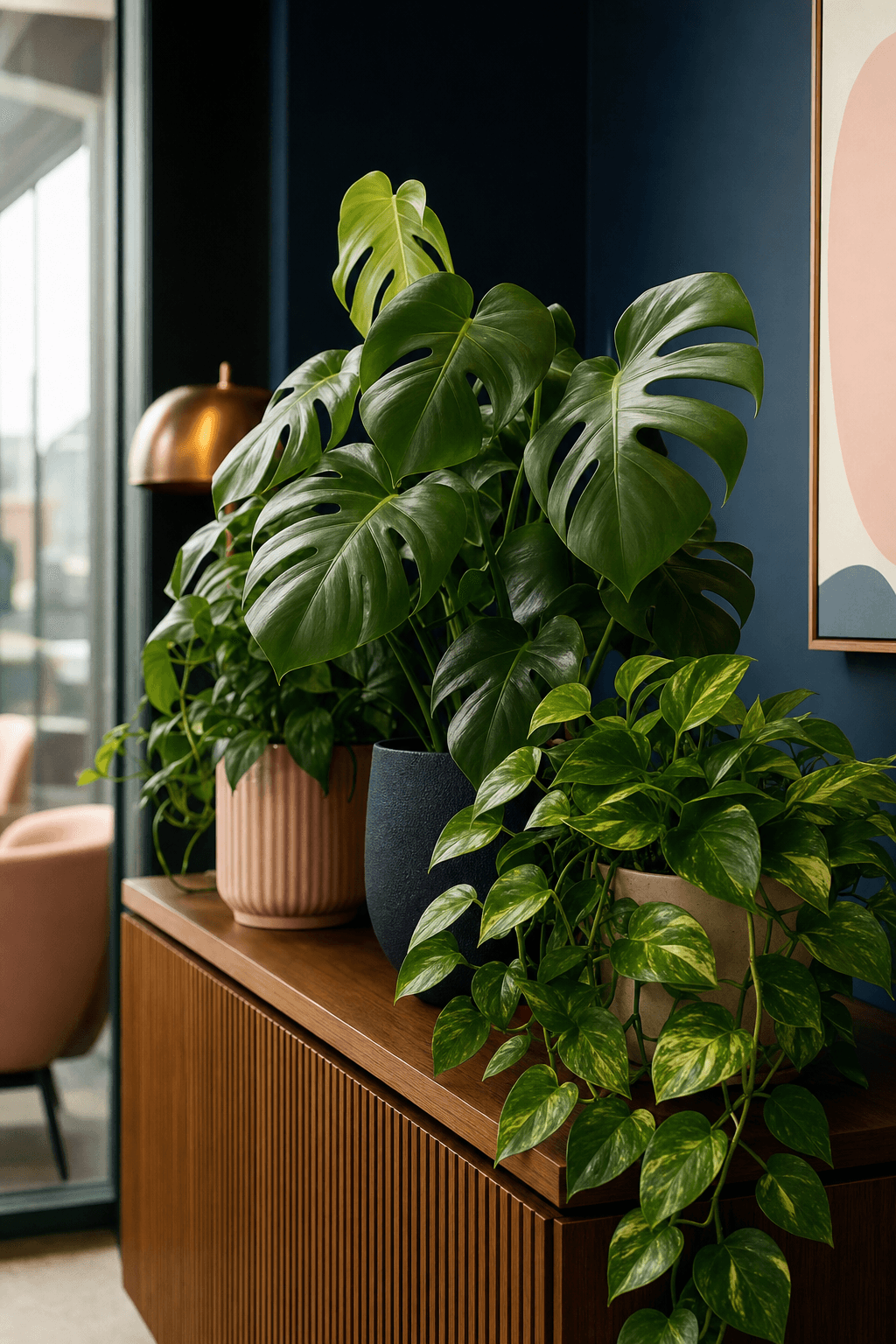
When positioning architectural statement plants like a large Monstera deliciosa or a soaring Philodendron, placements should utilize areas that capture bright, filtered sunlight or high Foot-Candle (FC) values. Because these robust species naturally thrive in higher light thresholds, they can be utilized as protective overhead canopies.
By strategically placing shade-tolerant, low-light varieties—such as deep-green Aglaonemas, ferns, or select Begonias—directly within the dappled shadow created by the Monstera, designers mimic nature's understory. This layering ensures every plant receives its optimum light spectrum without scorching, resulting in a naturally lush, visually complex vignette that instantly softens the room's energy.
Fluid Mechanics: Airflow and Humidity Dynamics
To maintain a parasympathetic ecosystem, the invisible forces of a room—specifically HVAC systems and natural airflow—must be balanced.
Tropical plants rely on localized humidity dynamics to regulate their transpiration rates. Placing delicate, high-value botanical investments directly in the path of forceful, dry air currents from modern ventilation grids can induce systemic plant stress, leading to brown edges and stalled growth.
The Air Velocity Balance: Gentle, ambient air movement is vital; it prevents stagnant pockets of humidity where fungal pathogens thrive.
The Clustering Effect: By grouping canopy plants and understory plants together away from direct vents, a collective microclimate is established. The plants naturally transpire together, pooling their moisture to raise local humidity levels. This creates an invisible oasis of clean, oxygenated, humidified air that is deeply refreshing for human occupants to breathe.
Spatial Flow and Foot Traffic Dynamics
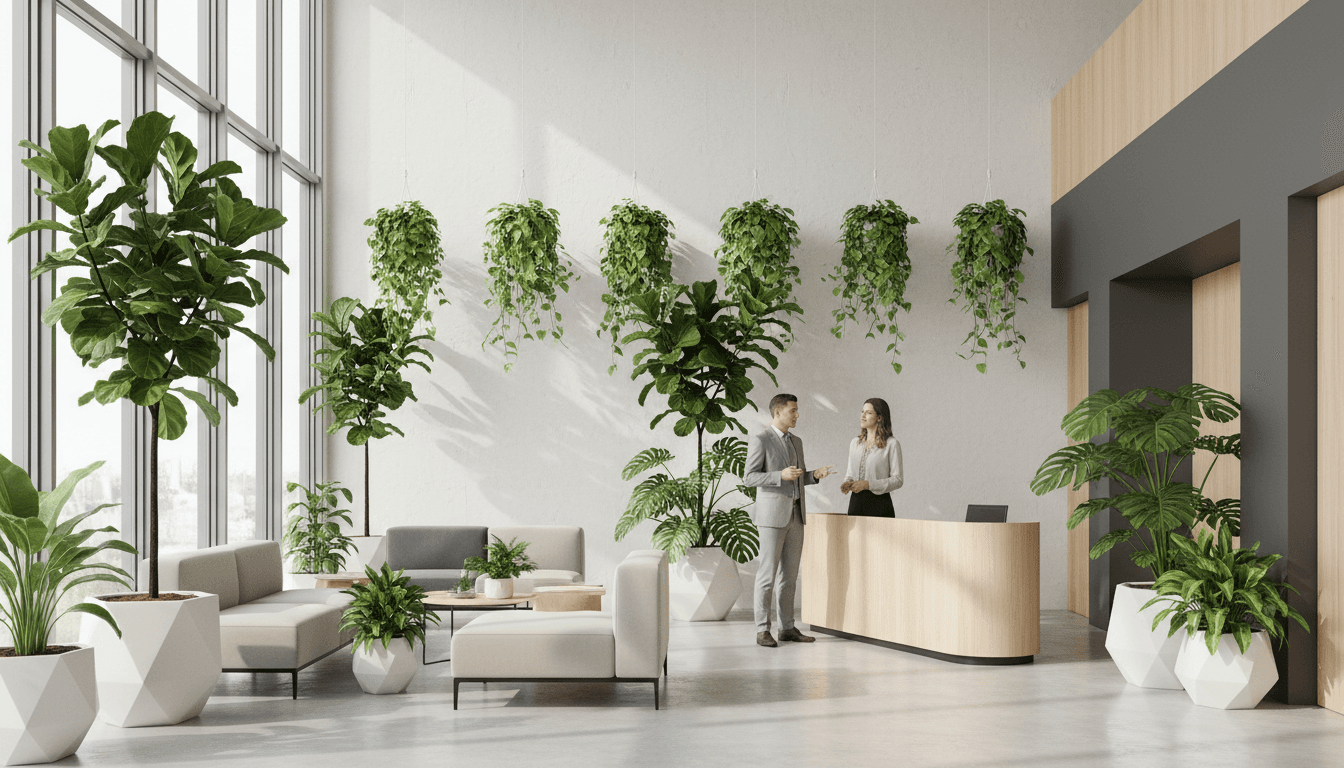
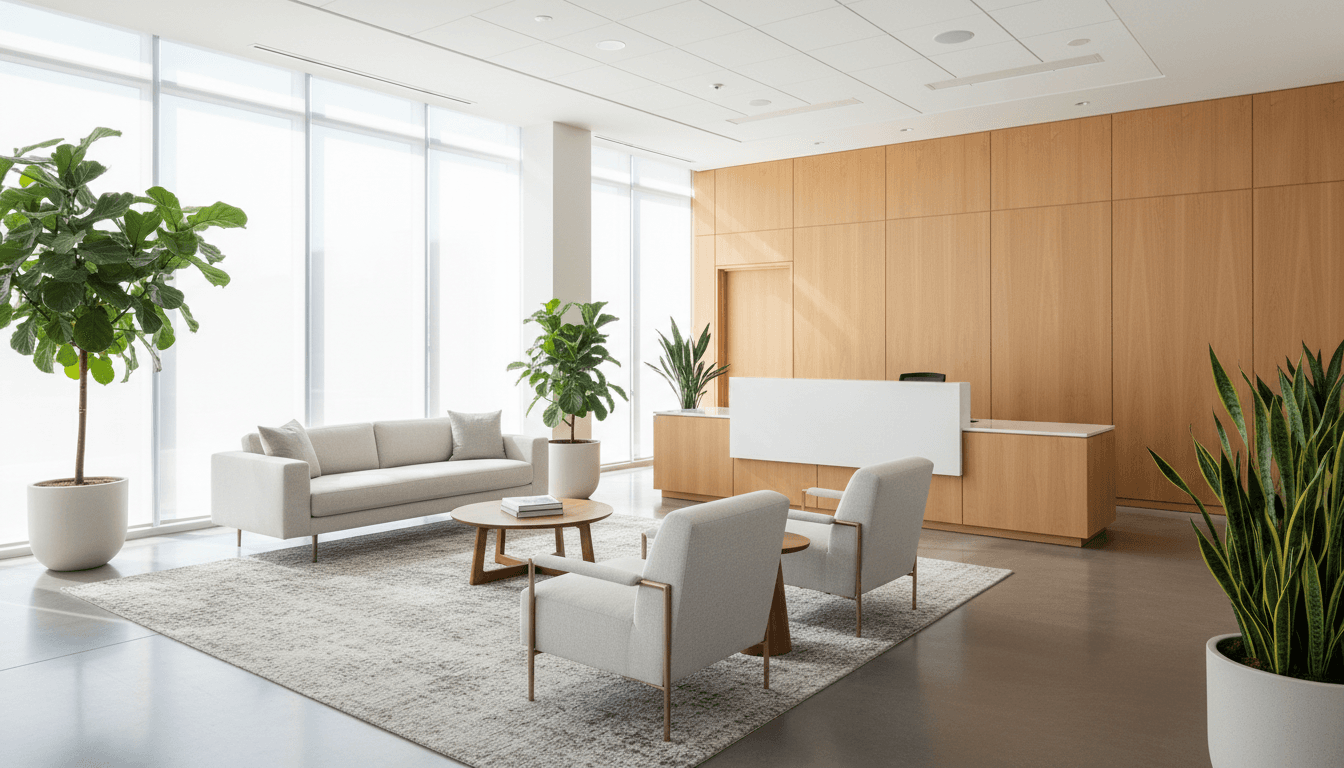
A truly restorative ecosystem feels seamless and unburdened. In both busy corporate lobbies and private residential halls, understanding human foot traffic patterns is critical to protecting the living investments.
Plants possess an internal tactile awareness; frequent physical friction from passing shoulders or closing doors can disrupt a specimen's growth and damage delicate foliage layers.
Design Precision: High-traffic pathways should be anchored by structurally resilient, broad-leafed varieties or protected by architectural custom planters. Delicate, rare, or highly textured collector species should be reserved for dedicated sanctuary zones, recessed seating alcoves, quiet executive corners, or low-traffic focal walls.
When human movement flows smoothly around a botanical installation without causing disruption, the entire environment feels balanced, intentional, and profoundly calming.
The Strategic Return on Botanical Wellness
Whether optimizing a multi-level corporate office development or a private sanctuary at home, engineering a functional, layered ecosystem removes the guesswork and frustration from plant care. When plants are matched perfectly to the environmental mechanics of a room, maintenance becomes effortless and stress-free.
Through precise spatial planning, Plante Bureau transforms ordinary interiors into living, therapeutic assets—proving that when botany thrives, humanity relaxes.